
Food Allergies
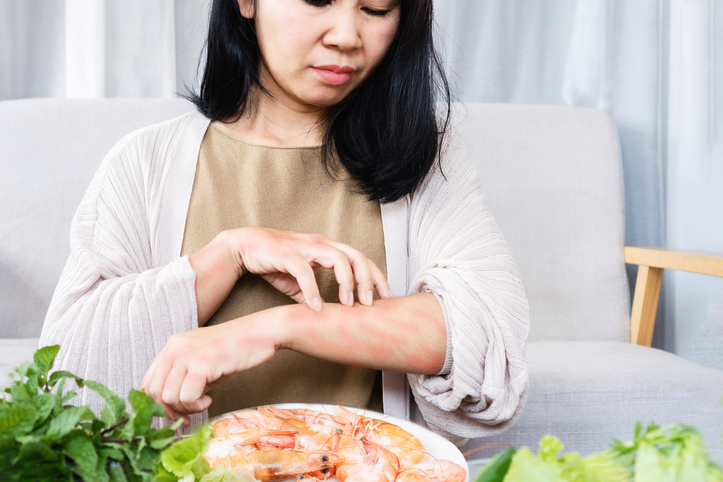
Food allergies happen when the immune system mistakes a specific food protein for a threat and mounts a defensive response against it. That response can range from a few hives to a life-threatening reaction, which is why an accurate diagnosis matters. At Schweiger Dermatology & Allergy, our allergists and allergy specialists help patients pinpoint exactly which foods are triggering symptoms and build a treatment plan around avoiding reactions, managing flare-ups, and staying prepared for emergencies.
Food allergies are on the rise in both children and adults, and they’re often confused with food intolerances, which involve the digestive system rather than the immune system. Getting the right diagnosis from an allergist or allergy specialist is the first step toward eating with confidence again.
What Causes Food Allergies?
A food allergy develops when the immune system produces antibodies, most often IgE, against a food protein it wrongly identifies as harmful. The next time that food is eaten, the immune system releases histamine and other chemicals, which is what produces allergy symptoms.
Common food allergens include:
- Milk: One of the most common childhood food allergies, often outgrown by adolescence
- Eggs: Frequently appears in early childhood and may resolve with age
- Peanuts: One of the most common causes of severe reactions and often lifelong
- Tree nuts: Includes almonds, walnuts, cashews and pistachios, and tends to persist into adulthood
- Soy: Common in infants and young children
- Wheat: Distinct from celiac disease, which is an autoimmune condition rather than a classic food allergy
- Fish and shellfish: Usually develops later in life and is typically lifelong
- Sesame: Increasingly recognized as a major allergen in both children and adults
Several factors can raise the likelihood of developing a food allergy, including a family history of allergies, asthma, eczema or hay fever, having another existing allergy, and early childhood age, since many food allergies emerge before age five.
Symptoms of Food Allergies
Food allergy symptoms usually appear within minutes to a couple of hours after eating the trigger food, though timing can vary by person and by allergen. Symptoms fall into a spectrum from mild to severe.
Mild to moderate symptoms include:
- Hives or a food allergy rash
- Eczema flare-ups
- Redness or swelling around the face, mouth or other areas of the body
- Tingling or itching in the mouth, throat or lips
- Nausea, vomiting, diarrhea or abdominal cramping
- Sneezing, a runny or congested nose, or itchy, watery eyes
Severe symptoms (anaphylaxis) include:
- Difficulty breathing or swallowing
- Wheezing or a feeling of tightness in the chest
- Swelling of the tongue or throat
- A rapid or weak pulse
- A sudden drop in blood pressure, dizziness or fainting
- Severe abdominal pain paired with vomiting or diarrhea
- Coughing
Anaphylaxis is a medical emergency. If someone is experiencing these symptoms, they need immediate care, ideally with epinephrine on hand while emergency services are contacted.
Food Allergy vs. Food Intolerance
Food allergies and food intolerances are often used interchangeably, but they involve different systems in the body and call for different approaches.
| Food Allergy | Food Intolerance | |
|---|---|---|
| System involved | Immune system | Digestive system |
| Onset | Minutes to a couple of hours | Hours, sometimes up to a day |
| Typical symptoms | Hives, swelling, wheezing, anaphylaxis risk | Bloating, gas, stomach upset, headache |
| Amount that triggers a reaction | Even trace amounts can cause a reaction | Often dose-dependent, small amounts may be tolerated |
| Risk of life-threatening reaction | Yes | Not typically |
| Common examples | Peanuts, shellfish, tree nuts | Lactose, gluten sensitivity, histamine |
Because the two conditions look similar on the surface, an allergist or allergy specialist can help clarify which one is actually happening and rule out anaphylaxis risk.
IgE-Mediated vs. Non-IgE-Mediated Food Allergies
Not all food allergies work the same way in the body, which is part of why testing and diagnosis can vary from patient to patient.
IgE-Mediated Food Allergies
These are fast-acting food allergies triggered by IgE antibodies and capable of causing anaphylaxis. Peanut, tree nut, shellfish and milk allergies are commonly IgE-mediated.
Non-IgE-Mediated Food Allergies
These reactions involve other parts of the immune system and tend to develop more slowly, often affecting the digestive tract. They’re less likely to cause anaphylaxis but can still significantly disrupt daily life and may sometimes overlap with skin conditions like eczema or allergic contact dermatitis.
How to Manage Food Allergies Day to Day
Living with a food allergy takes ongoing attention, but a few habits make it easier to avoid triggers and stay prepared:
- Read every label, every time: Ingredient lists change, and packaged foods can contain unexpected allergens or cross-contact warnings.
- Speak up: Let family, friends, coworkers and restaurant staff know about the allergy so they understand its seriousness.
- Carry emergency medication: Anyone with a history of severe reactions should always carry an epinephrine auto-injector and know how to use it.
- Build an action plan: Work with an allergist or allergy specialist to create a written plan for what to do if exposure happens, and share it with caregivers, teachers or coworkers.
- Explore allergen-free alternatives: Substituting ingredients in recipes can keep meals varied and safe.
Diagnosing and Checking for Food Allergies
Checking for food allergies starts with a conversation about symptoms and a physical exam, followed by targeted allergy testing to confirm what’s really behind the reaction. Skin prick testing exposes the skin to small amounts of suspected allergens and looks for a reaction, while blood testing measures IgE antibody levels for specific foods.
In some cases, our allergists and allergy specialists may recommend an oral food challenge, where a suspected allergen is introduced in small, carefully monitored amounts under medical supervision. This is considered one of the most definitive ways to diagnose or rule out a food allergy and is only done in a controlled clinical setting.
Ongoing Care and Coexisting Allergies
Many patients with food allergies also live with conditions such as asthma, seasonal allergies or eczema. When that happens, the care plan should account for how those conditions may affect the severity or management of food allergy reactions. Keeping an up-to-date food avoidance plan, emergency medication and clear instructions for responding to accidental exposure can support better day-to-day control.
When to See an Allergist for Food Allergies
It’s time to see an allergist or allergy specialist if a food consistently triggers hives, swelling, digestive symptoms or breathing changes, or if a reaction has ever felt severe enough to need emergency care. Children with a family history of allergies, asthma or eczema, including those cared for through our pediatric allergy and asthma services, also benefit from an early evaluation. We have locations throughout the region, so getting a proper diagnosis usually doesn’t mean a long wait.
Food Allergy Specialists at Schweiger Dermatology & Allergy
If you suspect a food allergy, our allergists and allergy specialists can help you find real answers. We perform precise testing to identify the exact allergen at play, help you tell a true food allergy apart from a food intolerance, and build a treatment and action plan tailored to your needs.
To schedule an appointment, book online or call 844-DERM-DOC.
Frequently Asked Questions About Food Allergies
What are the first signs of a food allergy?
Early signs often include hives or a food allergy rash, itching or tingling in the mouth, swelling of the lips or face, and stomach upset, usually within minutes to a couple of hours of eating the trigger food.
How do I know if it’s a food allergy or a food intolerance?
Food allergies involve the immune system and can trigger hives, swelling or anaphylaxis, even from small amounts. Food intolerances involve the digestive system, tend to be dose-dependent, and typically cause bloating, gas or stomach discomfort rather than a life-threatening reaction.
How are food allergies diagnosed?
Diagnosis usually starts with a physical exam and a review of symptoms, followed by skin prick testing or blood testing. In some cases, an oral food challenge is used to confirm or rule out an allergy under medical supervision.
Can adults develop new food allergies?
Yes. While many food allergies begin in childhood, adults can develop new allergies at any age, including to foods like shellfish and tree nuts that they previously tolerated.
What does a food allergy rash look like?
A food allergy rash commonly appears as raised, itchy hives, though some people also notice redness, swelling or an eczema flare in reaction to a trigger food.
Do children outgrow food allergies?
Many children outgrow allergies to milk, egg, soy and wheat as their immune systems mature, while allergies to peanuts, tree nuts, fish and shellfish are more likely to persist into adulthood.
What should I do if I think I’m having a severe allergic reaction?
Use an epinephrine auto-injector right away if one is available and call emergency services. Severe symptoms like throat swelling, trouble breathing or a rapid drop in blood pressure require immediate medical attention.
Can food allergies be cured?
There is currently no cure for food allergies. Management focuses on avoiding trigger foods, recognizing symptoms early and having an emergency action plan in place, and our allergists and allergy specialists can help build one that fits your life.
