


Allergic Contact Dermatitis Treatment
Contact Dermatitis
If you’ve noticed an itchy, red rash appearing after contact with a new product, plant, or material, contact dermatitis may be the cause. It’s one of the most common inflammatory skin conditions we treat at Schweiger Allergy & Asthma, affecting people of all ages and skin types. 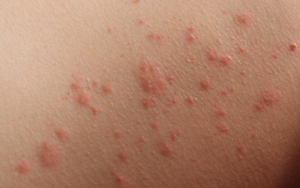
While contact dermatitis is rarely a serious medical concern, it can be persistent, uncomfortable, and difficult to manage without identifying the right trigger. Our board-certified allergy and dermatology specialists are experienced in diagnosing all forms of contact dermatitis and building personalized treatment plans that address the root cause, not just the symptoms.
What is Contact Dermatitis?
Contact dermatitis is an inflammatory skin condition that occurs when the skin comes into direct contact with an irritant or allergen. The immune system or the skin’s protective barrier reacts to the substance, producing a rash that can range from mild redness and dryness to significant blistering and swelling. Symptoms typically appear within hours to days of exposure, depending on the type of contact dermatitis involved.
It is one of the leading causes of occupational skin disease and a frequent reason patients seek care from both allergy providers and dermatology providers. Despite how common it is, contact dermatitis is often misdiagnosed because its symptoms overlap with other skin conditions, including atopic dermatitis and psoriasis. Accurate diagnosis is essential before starting treatment, which is why a proper clinical evaluation is always the recommended first step.
Types of Contact Dermatitis
There are two primary types of contact dermatitis: irritant and allergic. While both produce similar symptoms, they have distinct causes and may require different approaches to treat effectively.
Irritant Contact Dermatitis
Irritant contact dermatitis is the more common form, accounting for approximately 80% of all cases according to the National Eczema Association. It occurs when a substance directly damages the skin’s outer protective barrier, triggering inflammation. Unlike allergic contact dermatitis, this reaction does not involve the immune system. The skin is simply responding to physical or chemical damage.
Anyone can develop irritant contact dermatitis with enough exposure to a strong enough irritant. People who work in healthcare, cleaning, food service, or construction are particularly susceptible due to frequent contact with water, chemicals, and abrasive materials.
Common causes of irritant contact dermatitis include:
- Harsh chemicals such as bleach, solvents, and acids
- Soaps, detergents, and cleaning products
- Repeated or prolonged exposure to water
- Friction from tight clothing, shoes, or equipment
- Extreme temperatures or low humidity environments
Allergic Contact Dermatitis
Allergic contact dermatitis is an immune-mediated response. The first exposure to an allergen may produce little to no visible reaction, but over time the immune system becomes sensitized to the substance. On subsequent exposures, the immune system recognizes the allergen and mounts an inflammatory response. This delayed hypersensitivity reaction typically develops 24 to 72 hours after contact, which can make it harder to connect the rash to its cause.
Allergic contact dermatitis treatment requires identifying the specific allergen responsible, which is why patch testing is a critical part of the diagnostic process.
Common causes of allergic contact dermatitis include:
- Plants such as poison ivy, poison oak, and poison sumac
- Metals, particularly nickel found in jewelry, belt buckles, and watch straps
- Fragrances and preservatives in lotions, shampoos, and cosmetics
- Latex in gloves, elastic bands, and medical devices
- Topical antibiotics like neomycin
Contact Dermatitis Symptoms: What to Look For
The contact dermatitis rash can look and feel different depending on the type, the severity, and how long the skin has been exposed to the trigger. In some cases the rash is localized to a specific area of contact. In others, particularly with allergic contact dermatitis, it can spread beyond the initial point of exposure.
Common symptoms include:
- Red, swollen, inflamed skin with a patchy or widespread rash
- Intense itching that may range from mild to severe and can worsen with scratching
- Blisters that may weep, ooze, or crust over in more severe reactions
- Dry, flaky, or scaly skin as the rash begins to resolve
- Tenderness or a burning sensation, especially in widespread cases
- Cracked or thickened skin in chronic or recurring cases, which can increase the risk of secondary infection
If you are unsure whether your symptoms point to contact dermatitis or another skin condition, our specialists can evaluate your rash and give you a clear diagnosis.
How is Contact Dermatitis Diagnosed?
Diagnosing contact dermatitis begins with a detailed conversation about your symptoms, health history, known allergies, and recent exposures to new products or environments. Your provider will examine the appearance and distribution of the rash, both of which provide important diagnostic clues. A rash concentrated around the wrist, for example, may suggest a nickel allergy from a watch. A reaction along the hairline might point to a shampoo or hair care product.
When the trigger is not immediately obvious, patch testing is the most effective next step. During a patch test, small amounts of common allergens are applied to adhesive patches, which are placed on the skin, usually on the back, and worn for 48 hours. After the patches are removed, the skin is examined at 48 and 96 hours for signs of a reaction. Patch testing is the gold standard for diagnosing allergic contact dermatitis and can identify specific triggers such as fragrances, preservatives, metals, and rubber compounds.
In more complex cases, blood tests may be used to assess immune markers, and a skin biopsy may be recommended to differentiate contact dermatitis from other conditions with similar presentations.
Contact Dermatitis Treatment Options
Effective contact dermatitis treatment starts with one critical step: identifying and removing the trigger. For many mild cases, the rash will begin to improve on its own once exposure stops. When symptoms are more severe, persistent, or widespread, medical treatment can significantly speed recovery and prevent complications.
Treatment for contact dermatitis may include:
- Topical Corticosteroids: The most commonly prescribed treatment for contact dermatitis, corticosteroid creams and ointments reduce inflammation and relieve itching. Over-the-counter hydrocortisone works well for mild cases, while prescription-strength options are available for more significant reactions.
- Oral Corticosteroids: For severe or widespread allergic contact dermatitis, a short course of oral steroids may be necessary to bring inflammation under control quickly.
- Oral Antihistamines: Help manage itching and reduce the urge to scratch, which can worsen the rash and increase infection risk.
- Calamine Lotion: Useful for soothing blistering, oozing reactions and drying out weeping skin.
- Topical calcineurin inhibitors: A non-steroidal prescription option for patients who need long-term management or cannot use corticosteroids.
- Fragrance-Free Moisturizers: Restoring the skin’s barrier is an important part of recovery. Regular moisturizing can help heal damaged skin and provide a layer of protection against future irritation.
- Wet Compresses: Can help reduce inflammation and ease discomfort during active flare-ups, particularly for oozing or blistering reactions.
If you were exposed to a known trigger such as poison ivy, washing the area thoroughly with fragrance-free soap and warm water as soon as possible can reduce the severity of the reaction before it fully develops.
How to Prevent Contact Dermatitis
Once your triggers have been identified, preventing contact dermatitis becomes much more manageable. Practical steps include:
- Avoiding known irritants and allergens whenever possible
- Switching to fragrance-free and dye-free personal care and household products
- Wearing protective gloves or clothing when handling chemicals, cleaning products, or rough materials
- Moisturizing regularly to maintain a healthy, resilient skin barrier
- Rinsing skin promptly after contact with potential triggers
- Informing your healthcare providers of any known allergies before procedures or treatments involving latex or topical antibiotics
Get Contact Dermatitis Treatment at Schweiger Allergy & Asthma
If you are dealing with a persistent rash or recurring skin reactions, our team is here to help. Our allergy and dermatology specialists will evaluate your symptoms, perform the appropriate diagnostic testing, and build a contact dermatitis treatment plan tailored to your skin and your life. Book your appointment online at a location near you.
FAQs
-
Does contact dermatitis itch?
Yes, itching is one of the hallmark symptoms of contact dermatitis and can range from mild to intense. Scratching the affected area tends to worsen the rash and can increase the risk of infection, so managing the itch early with appropriate treatment is important.
-
What causes contact dermatitis?
Not exactly. Eczema, or atopic dermatitis, is a chronic condition often tied to genetics and immune system dysfunction. Contact dermatitis is triggered by a specific external substance and typically resolves once that trigger is removed. The two can look similar, which is one reason proper diagnosis matters before starting treatment.
-
Is contact dermatitis the same as eczema?
In many cases, mild cases of contact dermatitis will resolve on their own once the irritant or allergen is removed. However, severe or chronic cases may require medical treatment to control symptoms.
-
How long does contact dermatitis last?
Mild cases generally clear within two to four weeks after the trigger is removed. More severe or chronic cases can take longer and may require medical treatment to fully resolve. Continuing to have contact with the trigger, even unknowingly, can prevent the skin from healing.
-
Does contact dermatitis spread?
Contact dermatitis itself is not contagious and does not spread from person to person. However, if the triggering substance has spread across the skin before being washed off, the rash can appear in multiple areas. This is common with reactions to poison ivy.
-
When should I see a doctor for contact dermatitis?
If your rash is severe, covers a large area, is not improving after a week or two, or keeps coming back, it is worth seeing a specialist. A provider can confirm the diagnosis, identify your specific trigger through patch testing, and recommend a contact dermatitis treatment plan that goes beyond what over-the-counter options can offer.
