
 Shop
Shop Pay Bill
Acne vs. Rosacea: How to Tell the Difference
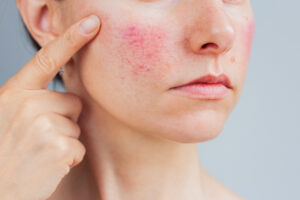
Facial redness and breakouts can be frustrating, especially when it’s unclear what’s behind them. For many people, the question becomes whether they’re dealing with acne or rosacea. While these conditions can look similar, they are distinct in their causes, symptoms, and treatment approaches. Understanding the differences between rosacea vs. acne can help you manage flare-ups more effectively and know when it’s time to see a dermatologist.
What Acne Looks Like and Common Symptoms
Acne is one of the most common skin conditions, often beginning in adolescence but also affecting adults. It develops when pores become clogged with excess oil, dead skin cells, and bacteria. Common signs include blackheads, whiteheads, inflamed pimples, and in more severe cases, nodules or cysts. Acne frequently appears on the face but may also spread to the chest, back, and shoulders.
Those with oily skin often notice more frequent breakouts, especially during hormonal changes or stressful periods. For teenagers, specialized acne treatment programs can reduce the risk of scarring and help restore clearer skin. Adults struggling with persistent breakouts may also benefit from tailored therapies and support from dermatology providers.
What Rosacea Looks Like and Common Symptoms
Rosacea is a chronic skin condition that often affects adults, especially those with fair complexions. It typically appears on the cheeks, nose, forehead, and chin, presenting as persistent redness, visible blood vessels, or red bumps that resemble acne. Unlike acne, rosacea often includes episodes of flushing and may also cause eye irritation in some individuals.
People often wonder: how do you know if you have rosacea or acne? While both involve bumps, rosacea’s hallmark is its background redness and its tendency to flare in response to triggers like heat or alcohol. More information about the truth behind rosacea and answers to common rosacea questions can help patients recognize symptoms early.
Triggers That Worsen Acne vs. Rosacea
Although acne and rosacea share some surface similarities, the factors that worsen them are quite different.
- Acne tends to flare with hormonal changes, stress, certain medications, diets high in refined sugar or dairy, and skincare products that clog pores.
- Rosacea flares are often tied to lifestyle triggers such as alcohol, hot drinks, spicy foods, sun exposure, cold wind, or emotional stress.
Recognizing whether flare-ups are linked to internal factors like hormones or external ones like temperature changes can help determine whether the problem is acne vs. rosacea.
How Dermatologists Diagnose Acne and Rosacea
Because both conditions can cause redness and bumps, diagnosis by a dermatologist is important. A thorough skin examination helps distinguish between the two, focusing on the type and distribution of lesions, as well as the presence of underlying redness or visible blood vessels. Dermatologists also review patient history, noting possible triggers, duration of symptoms, and any previous treatments.
When symptoms are unclear, professional expertise ensures an accurate answer to the question many patients ask: rosacea or acne?
Treatment Options for Acne
The treatment of acne depends on its severity and persistence. Mild cases may respond to topical therapies such as retinoids, benzoyl peroxide, or salicylic acid. For moderate to severe cases, dermatologists may prescribe oral antibiotics, hormonal therapy, or isotretinoin.
Many patients also benefit from in-office treatments. Options like chemical peels, extractions, and adult acne treatment plans help restore skin health and prevent scarring. Advanced procedures can offer additional support for stubborn breakouts.
Treatment Options for Rosacea
While rosacea cannot be cured, it can be controlled with proper care. Dermatologists often recommend topical creams or gels that reduce inflammation and redness, as well as oral antibiotics for more advanced cases. For visible blood vessels and persistent redness, light-based or laser rosacea treatments can significantly improve skin appearance.
For many patients, steering clear of triggers such as hot beverages, spicy meals, and prolonged sun exposure plays a key role in effective rosacea treatment.
When to See a Dermatologist for Redness or Breakouts
Persistent redness, frequent breakouts, or worsening skin irritation are signs that it’s time to see a dermatologist. Seeking care is especially important if:
- Breakouts cause pain, scarring, or emotional distress
- Redness continues to spread or intensify
- Over-the-counter remedies have little effect
- Eye symptoms accompany facial redness
Dermatologists provide personalized solutions to distinguish rosacea vs. acne and create targeted treatment plans. Early intervention often leads to better control of symptoms and improved confidence.
Professional Support for Acne and Rosacea at Schweiger Dermatology Group
If you’re struggling to understand whether your skin concerns are acne or rosacea, the dermatology providers at Schweiger Dermatology Group can help. Our experienced dermatologists diagnose and treat both conditions, offering personalized care ranging from advanced acne therapies to effective rosacea management. Schedule your visit today by booking online or calling 844-DERM-DOC to take the first step toward healthier, clearer skin.
