


Blackheads vs. Whiteheads: What’s the Difference and How to Treat Each
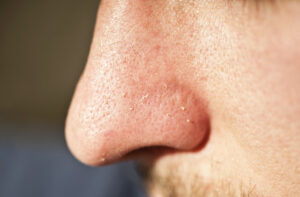 Quick answer: blackheads and whiteheads are both forms of clogged pores called comedones. Blackheads remain open at the surface, which causes oxidation and their dark appearance, while whiteheads stay closed beneath the skin and appear as small white or flesh-colored bumps. Both can often be treated with ingredients like salicylic acid and retinoids, though persistent acne may require professional acne treatment.
Understanding the difference between blackheads vs. whiteheads can help you choose products and skincare habits that support clearer skin while reducing irritation and future breakouts.
Blackheads vs. Whiteheads Comparison Chart
| Blackheads | Whiteheads |
|---|---|
| Open clogged pores | Closed clogged pores |
| Dark appearance from oxidation | White or flesh-colored bumps |
| Often flatter in appearance | Usually raised beneath the skin |
| Common on nose and forehead | Common on chin, cheeks and jawline |
| More associated with excess oil buildup | More associated with trapped debris beneath the skin |
What Are Blackheads?
Blackheads are a type of acne lesion known as an open comedone. They develop when pores become clogged with oil, dead skin cells and debris, but remain open at the surface of the skin.
Because the pore stays open, the trapped material inside becomes exposed to air and oxidizes, causing the dark appearance associated with blackheads. Contrary to popular belief, the dark color is not dirt.
Blackheads commonly appear on areas with higher oil production, including:
- Nose
- Chin
- Forehead
- Chest
- Back
People with oily or acne-prone skin may be more likely to develop blackheads and other clogged pores.
What Are Whiteheads?
Whiteheads are known as closed comedones. Like blackheads, they form when pores become clogged with oil and dead skin cells. However, in whiteheads, the pore remains closed at the surface.
Because the clogged material is trapped beneath the skin, whiteheads appear as small white or flesh-colored bumps rather than dark spots.
Whiteheads on the face are especially common around the:
- Chin
- Jawline
- Forehead
- Cheeks
Whiteheads may sometimes become inflamed and progress into larger acne breakouts if bacteria and inflammation develop inside the pore.
Blackheads vs. Whiteheads: What’s the Main Difference?
The primary difference between blackheads and whiteheads is whether the clogged pore remains open or closed.
Blackheads:
- Open clogged pores
- Dark appearance due to oxidation
- Often appear flat or slightly raised
Whiteheads:
- Closed clogged pores
- White or skin-colored bumps
- Usually slightly raised beneath the skin
Although they develop differently, both are considered non-inflammatory acne lesions and often appear together in acne-prone skin.
What Causes Blackheads and Whiteheads?
Several factors contribute to blackheads and whiteheads.
Common causes include:
- Excess oil production
- Dead skin cell buildup
- Hormonal fluctuations
- Acne-causing bacteria
- Heavy or pore-clogging skincare products
- Inadequate cleansing
- Genetics
People often assume clogged pores are caused by poor hygiene, but acne is much more complex. In many cases, oil production, hormones and genetics play a larger role than cleansing alone.
Using heavy cosmetic products may also contribute to breakouts. Patients experiencing persistent clogged pores may benefit from professional acne treatment to help control recurring symptoms.
How to Treat Blackheads
Because blackheads involve open clogged pores, treatments often focus on exfoliation and reducing excess oil buildup.
Common blackhead treatments include:
Salicylic Acid
Salicylic acid helps exfoliate inside the pore and break down trapped oil and debris. It is one of the most commonly recommended ingredients for blackheads.
Retinoids
Retinoids encourage skin cell turnover and help prevent clogged pores from forming. They may improve both blackheads and whiteheads over time.
Gentle Exfoliation
Chemical exfoliants may help remove dead skin cells that contribute to clogged pores. Over-exfoliating, however, can irritate the skin and worsen acne.
Professional Acne Treatments
Some patients benefit from in-office treatments designed to deeply cleanse pores and reduce acne formation. Treatments such as medical acne facials may help improve congestion and skin texture.
Patients with stubborn clogged pores or recurring acne may also benefit from advanced laser acne treatments designed to reduce inflammation and improve overall skin clarity.
Patients struggling with persistent clogged pores and rough skin texture may also benefit from treatments like HydraFacial treatments, which help cleanse pores and remove buildup from the skin’s surface.
How to Treat Whiteheads
Whitehead treatment often focuses on reducing clogged pores while minimizing inflammation.
Helpful treatments may include:
- Retinoids
- Salicylic acid
- Benzoyl peroxide
- Non-comedogenic skincare products
- Gentle cleansing routines
Picking or squeezing whiteheads can worsen inflammation and increase the risk of acne scars or discoloration.
Patients with persistent breakouts may benefit from personalized acne care designed to address the underlying causes of clogged pores and inflammation.
For patients dealing with more severe breakouts, dermatologists may recommend prescription acne medications or customized treatment plans.
Can You Prevent Blackheads and Whiteheads?
While not all acne can be prevented completely, certain skincare habits may reduce the likelihood of clogged pores.
Helpful prevention strategies include:
- Washing the face gently twice daily
- Removing makeup before bed
- Using non-comedogenic skincare and makeup products
- Avoiding harsh scrubs or aggressive picking
- Keeping hair products away from the face
- Using sunscreen daily
Consistency is important. Many acne treatments take several weeks before noticeable improvement occurs.
When to See a Dermatologist
Occasional blackheads and whiteheads are common, but persistent breakouts, painful acne or recurring clogged pores may require professional treatment.
Dermatologists and dermatology providers can help determine which acne treatments are most appropriate for your skin type and acne severity. In some cases, prescription medications or advanced acne treatments may help improve long-term results.
Treat Acne at Schweiger Dermatology Group
If blackheads, whiteheads or clogged pores are affecting your skin, professional care can help. Dermatologists and dermatology providers at Schweiger Dermatology Group offer personalized acne treatment options designed to reduce breakouts, improve skin texture and support healthier skin.
Patients struggling with acne scars or long-term congestion may also benefit from treatments such as Fraxel laser treatments and microneedling to improve skin texture and overall appearance.
Call 844-DERM-DOC or book online today to schedule an appointment.
FAQs
Are blackheads and whiteheads considered acne?
Yes. Both blackheads and whiteheads are forms of acne called comedones. They develop when pores become clogged with oil, dead skin cells and debris.
Why are blackheads black?
Blackheads appear dark because the clogged material inside the pore becomes exposed to oxygen and oxidizes. The color is not caused by dirt.
Can squeezing blackheads and whiteheads make acne worse?
Yes. Picking or squeezing clogged pores may increase inflammation, introduce bacteria and increase the risk of acne scars or discoloration.
What ingredients help treat clogged pores?
Salicylic acid, retinoids and gentle chemical exfoliants are commonly recommended to help reduce clogged pores and improve acne-prone skin.
When should I see a dermatologist for blackheads or whiteheads?
If clogged pores become persistent, painful or begin causing scarring, professional treatment may help improve long-term skin health and reduce future breakouts.
