


Mold Allergy 101: Symptoms, Triggers, and Treatments That Actually Help
Quick answer: Mold allergies happen when the immune system overreacts to airborne mold spores. Common symptoms include sneezing, congestion, coughing, itchy eyes and postnasal drip. Mold exposure is often triggered by damp indoor environments, humidity, water damage or outdoor mold spores. Treatment may include allergy medications, reducing indoor moisture and professional allergy treatment for persistent symptoms. 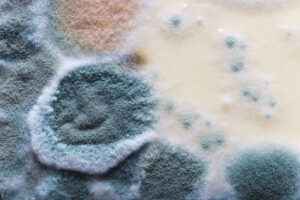
For patients with allergies or asthma, mold exposure may contribute to persistent symptoms that seem to worsen indoors or during humid weather.
Understanding mold allergy symptoms and what triggers exposure can help patients identify the cause of recurring symptoms and find more effective relief.
Mold Allergy vs. Seasonal Allergies
| Mold Allergy | Seasonal Allergies |
|---|---|
| Often triggered indoors and outdoors | Usually triggered outdoors |
| Common in damp or humid environments | Common during pollen seasons |
| Symptoms may occur year-round | Symptoms often fluctuate seasonally |
| Frequently linked to basements, bathrooms or water damage | Frequently linked to trees, grass or weeds |
| Can worsen indoors | Often improve indoors |
What Is a Mold Allergy?
A mold allergy occurs when the immune system overreacts to airborne mold spores. When these spores are inhaled, the body may release histamine and other inflammatory chemicals that trigger allergy symptoms.
Mold spores can be found both indoors and outdoors. Common areas where mold grows include:
- Bathrooms
- Basements
- Kitchens
- Damp carpeting
- Air conditioning systems
- Leaky ceilings or walls
- Outdoor piles of leaves or mulch
Patients with seasonal allergies, asthma or chronic sinus issues may be more sensitive to mold exposure.
Common Mold Allergy Symptoms
Mold allergy symptoms can range from mild irritation to more significant breathing problems.
Common symptoms include:
- Sneezing
- Nasal congestion
- Runny nose
- Itchy eyes
- Postnasal drip
- Sinus pressure
- Coughing
- Wheezing
- Fatigue
Some patients experience symptoms year-round, especially if mold exposure is happening indoors.
Patients with asthma may notice worsening respiratory symptoms during mold exposure and may benefit from professional asthma treatment to help manage breathing issues.
What Triggers Mold Allergies?
Mold thrives in damp, humid environments. Exposure often increases during rainy seasons, humid weather or after water damage inside the home.
Common mold allergy triggers include:
- Poor ventilation
- Water leaks
- Flooding
- Humid basements
- Wet bathrooms
- Outdoor mold spores
- Damp furniture or carpeting
Indoor mold allergy symptoms may worsen in homes with excess humidity or inadequate airflow.
Patients struggling with year-round symptoms may also benefit from evaluation for indoor and outdoor allergies to identify additional environmental triggers.
Can Mold Cause Allergy Symptoms at Night?
Yes. Many patients notice mold allergy symptoms becoming worse at night, particularly if mold spores are present in bedrooms, pillows, mattresses or air vents.
Lying down may also worsen congestion and postnasal drip, making symptoms feel more severe during sleep.
Patients experiencing nighttime symptoms may also benefit from evaluation for indoor and outdoor allergies to identify environmental triggers affecting sleep quality.
How Is a Mold Allergy Diagnosed?
Because mold allergy symptoms overlap with many other respiratory conditions, allergy testing is often the best way to confirm the cause.
Professional allergy testing can help identify specific environmental allergens contributing to symptoms.
During evaluation, allergy specialists may ask about:
- Symptom timing
- Home and work environments
- Seasonal patterns
- Breathing issues
- Indoor humidity or water damage
Identifying the exact trigger can help guide treatment recommendations.
Mold Allergy Treatment Options
Treatment for mold allergies often combines symptom management with reducing exposure.
Common mold allergy treatments include:
Antihistamines
Antihistamines may help reduce sneezing, itching and congestion caused by mold exposure.
Nasal Sprays
Prescription or over-the-counter nasal sprays may help reduce inflammation inside the nasal passages.
Reducing Indoor Moisture
Controlling humidity and repairing water damage can help reduce mold growth inside the home.
Air Purifiers
HEPA air purifiers may help reduce airborne mold spores indoors.
Immunotherapy
For patients with persistent symptoms, allergy immunotherapy or allergy shots may help reduce long-term sensitivity to environmental allergens.
Patients with ongoing sinus pressure or chronic congestion may also benefit from evaluation by a sinus specialist to help improve breathing and symptom control.
How to Reduce Mold Exposure at Home
Reducing mold exposure is an important part of managing symptoms.
Helpful prevention tips include:
- Keeping indoor humidity below 50%
- Using bathroom exhaust fans
- Repairing leaks quickly
- Cleaning visible mold safely
- Using dehumidifiers in damp areas
- Replacing water-damaged materials
- Improving home ventilation
Patients with persistent symptoms may need professional home inspection if hidden mold is suspected.
When to See an Allergy Specialist
Occasional allergy symptoms are common, but persistent congestion, coughing or breathing problems may require professional care.
Allergy specialists can help determine whether symptoms are caused by mold, pollen, dust mites or other environmental allergens. In some cases, untreated allergies may contribute to chronic sinus problems or worsen asthma symptoms.
Patients struggling with ongoing allergy symptoms may benefit from personalized allergy treatment plans designed to improve long-term symptom control.
Find Relief From Mold Allergies at Schweiger Dermatology Group
If mold allergies are affecting your breathing, sleep or quality of life, professional care can help identify triggers and improve symptom management.
Schweiger Dermatology Group offers personalized allergy testing and treatment options designed to help patients manage environmental allergies more effectively.
Patients with persistent symptoms may also benefit from evaluation by experienced allergy specialists who can create individualized treatment plans based on specific triggers and symptoms. Schedule an appointment today.
Call 844-DERM-DOC or book online today to schedule an appointment.
FAQs
What are the most common mold allergy symptoms?
Common mold allergy symptoms include sneezing, congestion, itchy eyes, coughing, postnasal drip and sinus pressure.
Can mold allergies make asthma worse?
Yes. Mold exposure may worsen asthma symptoms and trigger wheezing, coughing or breathing difficulties in sensitive individuals.
How do I know if mold is causing my allergies?
Professional allergy testing can help determine whether mold spores are contributing to your symptoms.
Can mold allergies happen year-round?
Yes. Indoor mold exposure may cause symptoms throughout the year, especially in humid environments or homes with water damage.
What helps mold allergies the most?
Reducing mold exposure, improving indoor ventilation, using allergy medications and seeking professional allergy treatment may help improve symptoms.
