Could Dairy Cause Acne? What Dermatologists Want You to Know
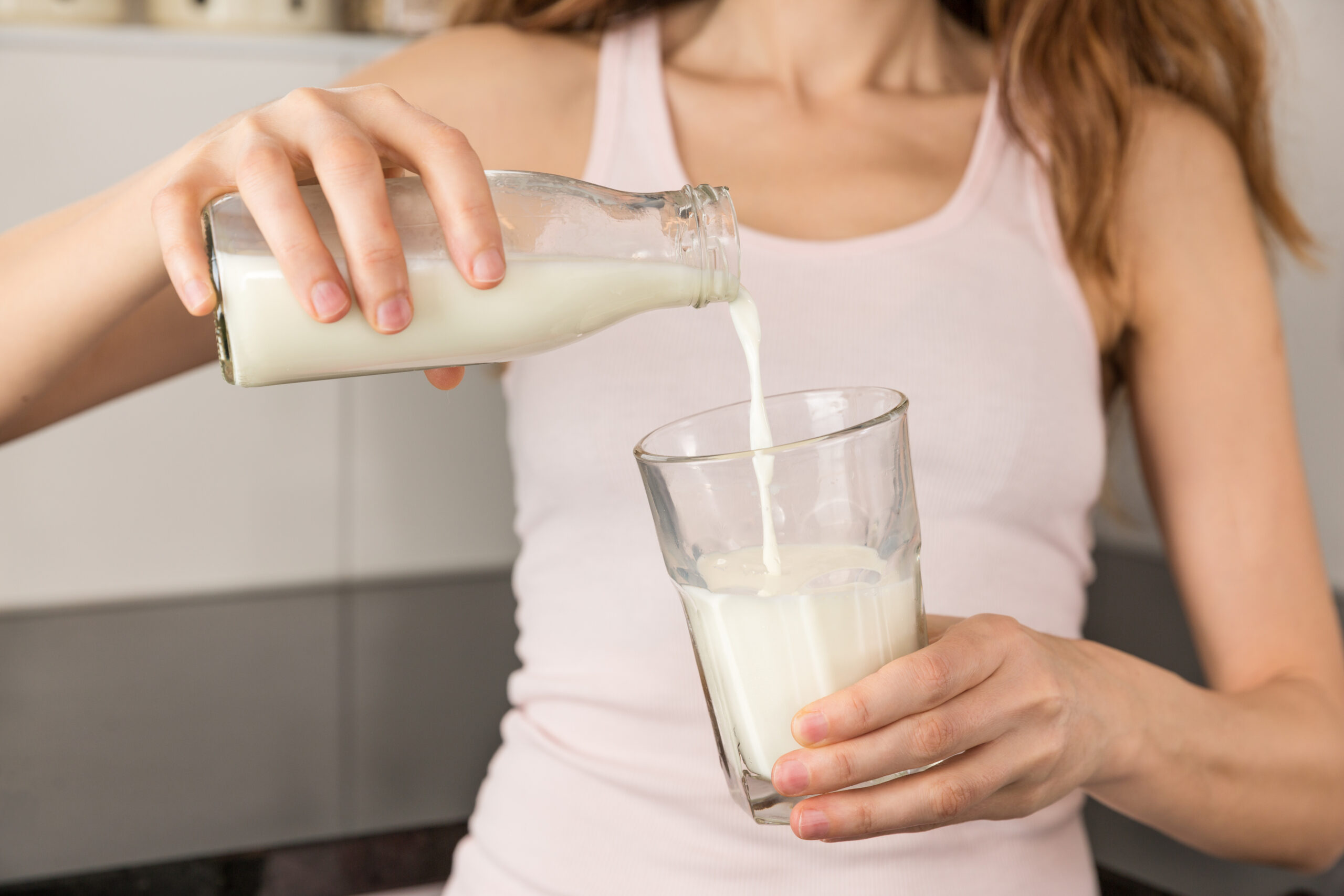 Acne affects nearly 50 million Americans each year, making it the most common skin condition in the United States. While genetics, hormones, and skincare routines are well-established factors, diet has also become a point of interest. Among dietary culprits, dairy products (milk, cheese, yogurt, and ice cream) are frequently discussed as possible acne triggers.
Several studies suggest that milk consumption, especially skim milk, may be associated with increased acne risk. But why does dairy seem to worsen skin for some people, while others enjoy it without a problem? Here’s what research and dermatology specialists have to say.
The Connection Between Dairy and Acne
Dairy has been a dietary staple for centuries, but modern research suggests it may play a role in acne development for certain individuals.
What studies show
- Milk and acne: Research has found a link between milk consumption and higher rates of acne. Skim milk, in particular, shows the strongest association.
- Cheese and yogurt: Evidence here is less consistent. Some individuals report flare-ups with cheese or ice cream, while others notice no change.
- Variation across individuals: Not everyone who consumes dairy develops acne. Genetics, hormone levels, and lifestyle habits all influence whether dairy affects your skin.
The connection is not definitive; dairy doesn’t cause acne in everyone, but the pattern is strong enough that many dermatologists consider it when evaluating persistent breakouts.
Why Might Dairy Contribute to Breakouts?
Researchers are still studying the mechanisms behind dairy and acne, but there are several leading theories:
1. Hormones in milk
Milk naturally contains hormones, including androgens and insulin-like growth factor 1 (IGF-1). These hormones may stimulate the oil (sebaceous) glands, leading to increased sebum production and clogged pores.
2. Skim milk vs. whole milk
Interestingly, skim milk has been more strongly linked to acne than whole milk. This could be due to how skim milk is processed or the presence of bioactive molecules that influence skin.
3. Insulin response
Dairy can raise insulin levels, which in turn may increase inflammation and androgen activity, two factors that contribute to acne formation.
4. Individual sensitivity
Some people seem more prone to acne flare-ups from dairy, while others tolerate it well. This may be due to differences in hormone levels, genetics, or gut health.
Dairy Compared to Other Acne Triggers
It’s important to remember that acne is multifactorial. Dairy may be one trigger, but it is rarely the sole cause. Other common triggers include:
- Hormonal fluctuations (puberty, menstrual cycles, pregnancy)
- Stress and cortisol spikes
- Genetic predisposition
- High-glycemic diets (foods high in sugar and refined carbs) [Harvard Health]
- Skincare or makeup products that clog pores
Because so many factors influence acne, diet should be considered as part of a bigger picture.
How to Tell If Dairy Is Affecting Your Skin
Not sure if dairy is a culprit in your breakouts? Here’s how to investigate:
- Track your diet and skin: Keep a journal of what you eat and when breakouts appear. Patterns can help identify dairy as a possible trigger.
- Try an elimination approach: Remove dairy from your diet for 3–4 weeks and monitor your skin. Then, reintroduce it slowly to see if acne worsens.
- Pay attention to different dairy forms: Some people break out after milk but tolerate cheese, or react to ice cream but not yogurt. Not all dairy affects skin equally.
- Important: Always consult with a healthcare provider or dermatologist before making major dietary changes. Eliminating dairy may affect calcium and vitamin D intake, so replacements may be necessary.
What to Do if Dairy Is a Trigger
If you find that dairy worsens your acne, there are several approaches you can take:
1. Cut back or substitute
- Replace milk with plant-based alternatives like almond, oat, or soy milk.
- Explore dairy-free cheeses and yogurts to maintain variety in your diet.
2. Focus on acne-friendly nutrition
Studies suggest low-glycemic diets (rich in vegetables, whole grains, and lean proteins) may reduce acne risk.
3. Maintain a solid skincare routine
Diet is just one piece. Use gentle cleansers, non-comedogenic moisturizers, and dermatologist-recommended treatments like salicylic acid or retinoids.
4. Consider professional care
If lifestyle adjustments don’t help, dermatology providers may recommend:
- Topical treatments: Retinoids, benzoyl peroxide, or antibiotics
- Oral medications: Birth control pills, spironolactone, or isotretinoin for severe acne
- In-office procedures: Chemical peels, extractions, or laser therapies
Myths About Dairy and Acne
Because dairy and acne are often discussed online, myths abound. Here are a few worth clearing up:
- “Dairy causes acne in everyone.” False. Many people tolerate dairy with no skin issues.
- “Cutting out dairy cures acne immediately.” Some may improve, but most require additional treatment.
- “Cheese and yogurt are always safe.” While evidence is weaker compared to milk, some people do react to these foods.
When to See a Dermatologist
If breakouts persist despite dietary changes, it’s time to seek professional care. Dermatologists can help determine whether dairy truly plays a role in your acne and design a treatment plan tailored to your skin type and lifestyle.
Connect with a Dermatologist Today for Acne Treatment
The link between dairy and acne isn’t the same for everyone. For some, cutting back on milk, cheese, or ice cream may lead to clearer skin. For others, acne may be driven more by hormones, stress, or other factors.
If you’re struggling with persistent breakouts, don’t navigate it alone. A dermatology provider can help you determine whether diet is part of the problem and provide effective acne treatment options.
Schedule an appointment with Schweiger Dermatology Group today. Call 844-DERM-DOC or book online to connect with a dermatology provider today.