Dark Spots vs. Acne Scars: How to Tell the Difference
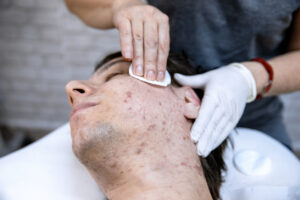
When blemishes clear, many people notice lingering marks that seem to stay long after the breakout is gone. Some of these are temporary
dark spots, while others are true scars that change the skin’s texture. Knowing the difference between acne scars and dark spots is essential, because the right approach depends on what’s actually left behind.
What Are Dark Marks and Why Do They Happen?
Dark marks, often called post-inflammatory hyperpigmentation (PIH), appear when inflammation from acne increases pigment production. The result is a flat area of discoloration that can look brown, red, or even purplish depending on skin tone.
These marks don’t cause uneven texture, but they can last for weeks or months. Sun exposure, skin picking, and ongoing breakouts make them more noticeable. Because they sit at the surface of the skin, dark marks generally fade on their own with time, though some may linger without treatment.
What Are Acne Scars and How Are They Different?
Unlike dark marks, acne scars develop when inflammation penetrates deeper into the skin and disrupts the healing process. When a breakout heals, the skin attempts to repair itself by producing new collagen fibers. If too little collagen is made, the skin heals unevenly, leaving behind indented or pitted scars. If too much collagen is produced, the result may be raised scars or thickened tissue.
The appearance of scars varies from person to person. Some people notice shallow depressions that resemble tiny dents, while others experience more pronounced “ice pick” scars that create narrow but deep marks. Raised or bumpy scars are less common but can be especially stubborn. Unlike dark marks, which sit on the surface and eventually fade, scars represent a permanent change in skin structure.
How to Tell Dark Spots from True Scars
Touch is usually the clearest indicator. If the skin feels smooth but looks discolored, it’s likely a dark spot. If the area feels uneven, whether indented or raised, it’s a scar.
Lighting also plays a role. Textural scars often look more pronounced in angled or harsh light, while dark marks maintain the same appearance regardless of lighting. Being able to tell the difference helps in choosing the right acne scars and dark spot treatment with the guidance of a dermatologist.
Treatments That Help Fade Dark Marks
Because dark marks are pigment-related, treatments focus on evening out skin tone. Topical ingredients like vitamin C, niacinamide, and retinoids can help reduce discoloration and speed skin renewal.
Professional options such as chemical peels, gentle resurfacing, and targeted laser therapy can improve stubborn pigmentation. Dermatologists may also prescribe stronger formulations when at-home care isn’t enough.
At the same time, it’s important to treat active breakouts so new marks don’t develop. Many patients benefit from structured care such as teen acne treatment or prescription acne medications, provided by dermatologists.
Dermatologist Options for Treating Acne Scars
Because scars involve changes beneath the skin’s surface, they usually require procedures that stimulate repair and collagen growth. Dermatologists often recommend treatments such as microneedling, subcision, or fillers for indented scars.
For many patients, fractional lasers are an effective solution. These target scarred areas to encourage smoother, healthier skin. In some cases, combining methods, like laser acne treatment with microneedling or fillers, offers the best results.
Preventing Acne Marks and Scars in the Future
Prevention begins with controlling breakouts before they become inflamed. Comprehensive programs for acne treatment or ongoing support from acne specialists can significantly reduce the risk of both discoloration and scarring.
Equally important is avoiding habits that worsen damage, such as picking or squeezing blemishes. Daily sun protection also prevents hyperpigmentation from getting darker and helps skin recover more evenly.
When to Book an Appointment for Lasting Results
Over-the-counter products can help fade discoloration, but if marks remain after several months or if texture changes are visible, professional care is the next step. Dermatologists can evaluate whether the concern is a dark spot or a scar and recommend the most effective treatment plan.
A board-certified dermatologist can also design a long-term strategy for breakouts, combining medical therapies with professional procedures to prevent future acne and reduce lingering marks.
Clearer Skin with Schweiger Dermatology Group
For anyone dealing with acne scars and dark spots, expert care makes all the difference. At Schweiger Dermatology Group, dermatologists and skin specialists provide customized treatment plans ranging from advanced topicals to in-office procedures that smooth and brighten skin. If you’ve been searching for how to get rid of dark spots and acne marks or want a proven solution for scarring, scheduling a consultation is the best step forward. Call 844-DERM-DOC or book online to connect with a dermatology provider today.