
Is Skin Cancer Curable? What to Know About Treatment and Hope
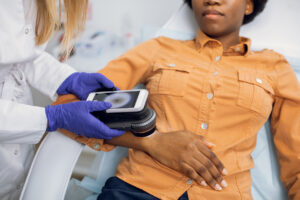
Hearing the words “skin cancer” can be alarming, but the truth is, skin cancer is one of the most treatable forms of cancer, especially when detected early. Many patients are surprised to learn that most skin cancers are curable, and outcomes continue to improve thanks to modern dermatologic treatments and regular skin checks.
If you’ve ever wondered “Is skin cancer curable?” or how much hope there is after a diagnosis, this guide will walk you through what to know about early detection, treatment options, and long-term outlooks.
How Curable Is Skin Cancer?
In short: very curable – when found early.
According to the American Academy of Dermatology (AAD), early-stage skin cancer has one of the highest treatment success rates of any cancer type. Non-melanoma forms like basal cell carcinoma (BCC) and squamous cell carcinoma (SCC) are nearly always curable with prompt care.
Even melanoma, the most serious type, is highly curable when caught early before it spreads deeper into the skin or other organs.
Cure rates by type of skin cancer:
- Basal Cell Carcinoma: Over 99% cure rate when treated early.
- Squamous Cell Carcinoma: Around 95–98% curable if detected before spreading.
- Melanoma: 99% five-year survival rate when diagnosed in its earliest stage.
So, when people ask “Is most skin cancer curable?” the answer is overwhelmingly yes, especially with regular screenings and timely treatment.
Is Skin Cancer Curable If Caught Early?
Yes. Skin cancer is curable if caught early, which is why self-exams and annual dermatologist visits are essential.
Early-stage cancers are typically small, localized, and haven’t spread to nearby tissue or lymph nodes. At this stage, dermatologists can often remove the lesion completely with minor procedures such as:
- Excisional surgery (removing the growth and a margin of healthy skin)
- Curettage and electrodessication (scraping and cauterizing the area)
- Mohs micrographic surgery (removing cancer layer by layer while preserving healthy tissue)
These treatments are usually done under local anesthesia, and recovery times are short.
Types of Skin Cancer and Their Curability
Not all skin cancers behave the same way, but each has highly effective treatment options when managed promptly.
1. Basal cell carcinoma (BCC)
The most common and most curable type of skin cancer. It grows slowly and rarely spreads. Treatment usually involves surgical removal or topical therapies.
2. Squamous cell carcinoma (SCC)
Develops from prolonged UV exposure. SCC can be slightly more aggressive than BCC, but it’s still highly curable, especially when detected early.
3. Melanoma
Though less common, melanoma is the most serious type of skin cancer because it can spread rapidly. The good news is that melanoma skin cancer is curable when identified in its earliest stages. Surgical removal is typically curative, and newer targeted therapies have greatly improved outcomes for more advanced cases.
Skin Cancer Treatment Options
The best treatment depends on the type and stage of cancer, but most skin cancers can be managed with outpatient procedures.
- Mohs Micrographic Surgery: The recommended treatment for certain types ofBCC and SCC and those that are located in sensitive areas such as the face. Mohs surgery removes the cancer layer by layer, examining each under a microscope until no abnormal cells remain. It offers the highest cure rate (up to 99%) and minimizes scarring.
- Excisional Surgery: Removes the tumor and a margin of healthy skin with a very high cure rate. Commonly used for both melanoma and non-melanoma cancers.
- Cryotherapy: Freezes small, superficial lesions using liquid nitrogen.
- Topical Medications: Certain prescription creams (like imiquimod or 5-fluorouracil) can treat very early BCC, SCC, or precancerous spots.
- Radiation Therapy: Used when surgery isn’t possible, particularly in delicate areas like the face or ears.
- Immunotherapy and Targeted Therapy: Modern treatments that boost your immune system or target specific genetic mutations. These have revolutionized the outlook for advanced melanoma.
Hope and Recovery After Diagnosis
Being diagnosed with skin cancer doesn’t have to mean a loss of hope. In fact, skin cancer is one of the most survivable cancers, and treatment success rates continue to rise.
Most patients return to their regular lives quickly after treatment, often with minimal scarring. Long-term follow-up visits help ensure that any new or recurring lesions are caught early and treated right away.
Tips for recovery and prevention:
- Attend all follow-up appointments. Your dermatologist will monitor for new or recurring growths.
- Protect your skin from UV rays. Apply broad-spectrum SPF 30+ daily, even in winter.
- Avoid tanning beds. Artificial UV radiation is a major risk factor.
- Do monthly self-exams. Check for new or changing moles and spots using the ABCDE rule (Asymmetry, Border, Color, Diameter, Evolving).
- Adopt a skin-healthy lifestyle. Eat antioxidant-rich foods, stay hydrated, and quit smoking if applicable.
Skin Cancer Checks and Treatment at Schweiger Dermatology Group
Whether you’re dealing with a recent diagnosis or just want to stay informed, remember that skin cancer is one of the most curable cancers. Early detection saves lives, and ongoing skin care helps prevent future issues.
If you notice new or changing spots, don’t wait; schedule a professional skin exam.
Call 844-DERM-DOC or book online to connect with a dermatology provider at Schweiger Dermatology Group and take the next step toward healthy, protected skin.
