
Skin Biopsy for Skin Cancer: What to Expect
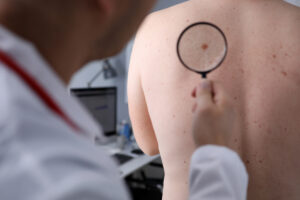 This blog was originally posted on 08/13/2023 and has since been updated.
A skin biopsy is one of the most important tools used to diagnose skin cancer. If a dermatologist notices a spot that looks unusual, changing or concerning, a biopsy allows the tissue to be examined closely to determine whether cancer cells are present.
Hearing that you need a biopsy can feel stressful, especially if you are unsure what the procedure involves or what the results may show. Understanding how a skin biopsy is done, what the healing process looks like and how long it takes to get results can help reduce uncertainty and prepare you for next steps.
What Is a Skin Biopsy?
A skin biopsy is a medical procedure in which a dermatologist removes a small sample of skin tissue for laboratory testing. This biopsy skin test allows a pathologist to examine the cells under a microscope and determine whether they are benign, precancerous or cancerous.
Skin biopsies are commonly used to diagnose conditions such as melanoma, basal cell carcinoma and squamous cell carcinoma. They may also be used to evaluate non cancerous skin conditions when the diagnosis is unclear.
Why a Skin Biopsy Is Performed for Skin Cancer
A skin biopsy for skin cancer is performed when a lesion looks suspicious based on its appearance, size, color or behavior. Changes such as asymmetry, irregular borders, uneven color or bleeding may prompt further evaluation after a skin cancer screening.
A biopsy for skin cancer is the only way to confirm a diagnosis. Visual exams alone cannot definitively determine whether a lesion is cancerous.
Common Signs That May Lead to a Skin Biopsy
Dermatologists and dermatology providers may recommend a biopsy on skin lesions that show certain warning signs. These may include:
- A mole that is changing in size, shape or color
- A sore that does not heal
- A lesion that bleeds easily
- A spot that looks different from others on the body
- New growths appearing later in life
Not every suspicious lesion turns out to be cancer, but early testing is key to timely treatment.
Types of Skin Biopsies
There are several types of skin biopsies. The type used depends on the size, depth and location of the lesion being evaluated.
Shave Biopsy
A shave biopsy removes the top layers of skin. It is often used for superficial lesions that do not appear deeply invasive.
Punch Biopsy
A punch biopsy uses a circular tool to remove a small, deeper sample of skin. This type allows evaluation of all layers of the skin.
Excisional Biopsy
An excisional biopsy removes the entire lesion along with a margin of surrounding skin. This method is often used when melanoma is suspected.
Each skin biopsy procedure is chosen carefully to balance diagnostic accuracy with cosmetic outcomes.
How a Skin Biopsy Is Done
Understanding how a skin biopsy is done can help ease anxiety about the procedure.
First, the area is cleaned and numbed with a local anesthetic. This ensures you remain comfortable during the biopsy. Once the area is numb, the dermatologist removes the tissue sample using the appropriate technique. The procedure itself is typically quick. Most biopsies take only a few minutes to perform.
After the tissue is removed, the area may be cauterized or closed with stitches depending on the biopsy type.
Does a Skin Biopsy Hurt?
Most patients report minimal discomfort during a skin biopsy. You may feel a brief sting from the anesthetic injection, followed by pressure but not pain.
After the procedure, mild soreness or tenderness is common. This usually resolves within a few days and can often be managed with over the counter pain relief if needed.
What Happens After a Skin Biopsy?
Once the biopsy skin procedure is complete, the tissue sample is sent to a laboratory for analysis. A pathologist examines the sample and prepares a report for your dermatologist. You will receive aftercare instructions to help the biopsy site heal properly. These instructions may include cleaning the area, applying ointment and protecting it from irritation.
How Long for Skin Biopsy Results?
One of the most common questions patients ask is how long for skin biopsy results. In most cases, results are available within one to two weeks. The timeline may vary depending on the type of biopsy and the complexity of the analysis. Your dermatologist will review the results with you and explain what they mean, including whether further treatment is needed.
What Your Skin Biopsy Results May Show
Skin biopsy results may indicate:
- A benign lesion
- A precancerous condition
- A type of skin cancer
If skin cancer is diagnosed, the report will often include details about the type and depth of cancer cells, which helps guide treatment planning.
Skin Biopsy Healing Stages
Healing after a skin biopsy varies based on the biopsy type and location. Understanding the healing stages of skin biopsy sites can help you know what is normal.
Early Healing
In the first few days, redness, swelling and mild discomfort are common.
Mid Healing
Over the next one to two weeks, a scab may form and gradually fall away as new skin develops.
Late Healing
Over time, the area continues to remodel. Any remaining redness or discoloration typically fades over several weeks.
How Long Do Skin Biopsies Take to Heal?
Many people ask how long do skin biopsies take to heal. Most biopsy sites heal within two to three weeks, although deeper biopsies or areas under tension may take longer.
Complete scar maturation can take several months. Following aftercare instructions closely can help minimize scarring.
Tips to Support Skin Biopsy Healing
To support proper healing after a biopsy on skin, dermatologists often recommend:
- Keeping the area clean and covered as instructed
- Avoiding picking or scratching the site
- Protecting the area from sun exposure
- Watching for signs of infection
If you notice increasing pain, redness or drainage, contact your provider promptly.
What Happens If Skin Cancer Is Diagnosed?
If your biopsy for skin cancer confirms a diagnosis, your dermatologist will discuss treatment options with you. Treatment depends on the type, size and location of the cancer.
Options may include surgical removal, Mohs surgery or other targeted treatments. Early detection often leads to simpler treatment and better outcomes.
Why Early Biopsy Matters for Skin Cancer
Early skin cancer detection significantly improves treatment success. A skin biopsy allows cancer to be identified before it grows or spreads.
Delaying evaluation of suspicious lesions can allow cancer to progress. Prompt biopsy is an important step in protecting long term skin health.
When Should You See a Dermatologist?
You should schedule an appointment if you notice a new or changing spot on your skin, especially if it meets common warning signs or does not heal. Regular skin checks with dermatologists and dermatology providers are also important, particularly if you have a history of skin cancer or significant sun exposure.
Book an Appointment for a Skin Biopsy Evaluation
If you have a spot that looks concerning or has changed over time, professional evaluation is important. Dermatologists and dermatology providers at Schweiger Dermatology Group perform skin biopsies and guide patients through every step of diagnosis and care.
Call 844-DERM-DOC or book online today to schedule an appointment today and have a suspicious skin lesion evaluated.
