
Actinic Keratosis: The Precancerous Spot Many People Ignore
Quick Answer: Actinic keratosis is a rough, scaly patch of skin caused by years of sun exposure, and it’s considered precancerous because it can develop into squamous cell carcinoma if left untreated. It often looks and feels like a persistent dry patch, which is part of why people ignore it. If you have a spot that feels rough, doesn’t heal, or keeps coming back in the same place, our dermatology providers can evaluate it and recommend the right treatment.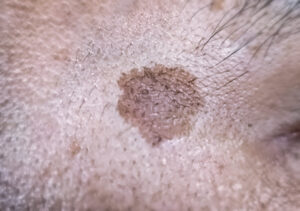
Many people notice a rough patch of skin on their face, ears, scalp, or hands and assume it’s just dry skin or a leftover sunburn. It can be easy to overlook, especially since actinic keratosis often feels worse than it looks. But this small, sandpapery spot is actually the most common precancerous skin condition, and catching it early is one of the more straightforward ways to lower your risk of skin cancer.
This post covers what actinic keratosis is, what causes it, how it differs from squamous cell carcinoma, and when it’s time to have a dermatologist or dermatology provider take a look.
What Is Actinic Keratosis?
Actinic keratosis is a rough, scaly patch of skin that develops from years of cumulative sun exposure. It’s considered a precancerous lesion, meaning it isn’t skin cancer itself but can progress into squamous cell carcinoma (SCC) if it isn’t treated.
Actinic keratosis is extremely common, particularly in people with fair skin, a history of sunburns, or years of outdoor sun exposure. Spots often show up on areas that get the most sun: the face, ears, scalp, neck, forearms, and the backs of the hands.
Because actinic keratosis develops slowly and doesn’t always look alarming, it’s one of the more commonly ignored warning signs on the skin.
What Causes Actinic Keratosis?
Direct answer: actinic keratosis is caused by long-term UV exposure that damages skin cells over time, and a few factors make some people more likely to develop it than others.
Common contributing factors include:
- Cumulative UV exposure from sun or tanning bed use over many years
- Fair skin, light eyes, or light hair, which offer less natural protection from UV rays
- A history of frequent sunburns, especially earlier in life
- Older age, since actinic keratosis reflects years of sun damage
- A weakened immune system, which can make it harder for skin to repair UV damage
- Living in sunny climates or spending significant time outdoors for work or recreation
What Does Actinic Keratosis Look Like?
Direct answer: actinic keratosis usually looks like a small, rough, scaly patch that’s pink, red, tan, or skin-colored, and it often feels rougher than it looks.
Typical characteristics include:
- Rough, dry, or sandpapery texture
- A patch that’s flat or slightly raised
- Pink, red, brown, or skin-toned color
- Size ranging from a small dot to about an inch across
- Occasional itching, burning, or tenderness
- Spots that may fade and return in the same location over time
Because actinic keratosis can resemble a dry patch, a scab, or irritated skin, it’s often mistaken for something more minor. A skin check with a dermatologist or dermatology provider is the most reliable way to know what you’re actually looking at.
Actinic Keratosis vs. Squamous Cell Carcinoma
Direct answer: actinic keratosis is a precancerous lesion, while squamous cell carcinoma is an actual skin cancer, and the main difference dermatologists look for is whether the abnormal cells have started growing more aggressively into deeper skin layers.
| Feature | Actinic Keratosis | Squamous Cell Carcinoma |
|---|---|---|
| Nature | Precancerous | Skin cancer |
| Appearance | Rough, scaly, flat patch | Often thicker, may be firm, crusted, or ulcerated |
| Growth | Slow, may stay unchanged for years | Can grow more quickly or become invasive |
| Risk if untreated | Small chance of progressing to SCC | Can spread if not treated |
| Treatment urgency | Should be evaluated and treated | Requires prompt treatment |
Actinic keratosis is also sometimes confused with basal cell carcinoma (BCC), the most common form of skin cancer. BCC tends to look more like a pearly bump or a sore that doesn’t heal, rather than the flat, scaly texture typical of actinic keratosis. Any spot that’s changing, growing, or not healing is worth having checked, regardless of which category it falls into.
How Is Actinic Keratosis Treated?
Actinic keratosis treatment depends on the number of spots, their location, and how they look under evaluation. Common approaches include:
- Cryotherapy, which freezes the spot off using liquid nitrogen
- Topical medications, such as prescription creams that target abnormal cells over several weeks
- Photodynamic therapy, which uses a light-activated solution to treat multiple spots at once
- Chemical peels, which can treat widespread sun damage along with visible spots
- Curettage, a minor in-office procedure to scrape away the lesion
Our providers determine the right approach based on how many spots you have and whether there’s any concern that a spot has progressed further. Regular skin cancer screenings help catch new spots early, before they have a chance to change.
Can Actinic Keratosis Be Prevented?
You can’t undo past sun exposure, but you can lower your risk of developing new spots:
- Wear broad-spectrum SPF 30 or higher daily, even on cloudy days
- Reapply sunscreen every two hours when outdoors
- Wear a wide-brimmed hat and UV-protective clothing during peak sun hours
- Avoid tanning beds
- Seek shade between 10 a.m. and 4 p.m. when UV rays are strongest
- Schedule routine skin checks, especially if you have a history of sun exposure or previous spots
When to See a Dermatologist
Any new, changing, or non-healing spot deserves a professional look, especially if it’s rough, scaly, or keeps coming back in the same area. The ABCDE rule (asymmetry, border irregularity, color variation, diameter, and evolving appearance) is a helpful guide for spotting concerning changes, though actinic keratosis doesn’t always follow those patterns the way melanoma does.
If you have a spot that concerns you, or if you simply haven’t had a skin check recently, it’s worth scheduling one. Early evaluation is what keeps a precancerous spot from becoming something more serious.
The Bottom Line
Actinic keratosis is common, treatable, and worth taking seriously precisely because it’s precancerous rather than cancerous. A rough patch that lingers or keeps coming back isn’t something to wait out. Getting it checked is a quick way to protect your skin long term.
Get Your Skin Checked at Schweiger Dermatology Group
At Schweiger Dermatology Group, our board-certified dermatologists and dermatology providers evaluate and treat actinic keratosis and other precancerous or cancerous skin conditions. We offer thorough skin cancer screenings and a full range of skin cancer treatment options, including Mohs surgery when needed. Want to understand the diagnostic process first? Read our guide on how skin cancer is diagnosed. We have locations across multiple states with same- and next-day appointments available.
Schedule an appointment today, or call 844-DERM-DOC to get your skin checked.
FAQs
Is actinic keratosis the same as skin cancer?
No. Actinic keratosis is a precancerous lesion, not skin cancer itself, but it can develop into squamous cell carcinoma if it isn’t treated.
What does actinic keratosis feel like?
It typically feels rough, dry, or sandpapery, often more noticeable to the touch than it appears visually.
Can actinic keratosis go away on its own?
Some spots can fade temporarily, but they often return in the same area. Treatment is the most reliable way to fully address a spot.
How is actinic keratosis different from squamous cell carcinoma?
Actinic keratosis is precancerous and tends to stay flat and scaly, while squamous cell carcinoma is an actual skin cancer that can grow more quickly and become firm, crusted, or ulcerated.
How is actinic keratosis different from basal cell carcinoma?
Basal cell carcinoma often looks like a pearly bump or a sore that won’t heal, while actinic keratosis typically presents as a flat or slightly raised, rough, scaly patch.
How often should I get a skin check if I have actinic keratosis?
Your dermatologist or dermatology provider can recommend a schedule based on your history, but regular skin checks are especially important if you’ve had actinic keratosis before.
Can actinic keratosis come back after treatment?
Yes. Treating an existing spot doesn’t prevent new ones from forming, which is why ongoing sun protection and regular skin checks matter.
