What Is Dyshidrotic Eczema? Causes, Triggers, and Treatment
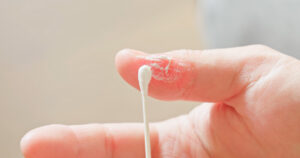
Quick Answer: Dyshidrotic eczema is a form of eczema that causes small, intensely itchy, fluid-filled blisters, usually on the palms, sides of the fingers, and soles of the feet. It is not contagious. Healthcare providers do not fully understand what causes it, but genetics and certain triggers such as stress, allergens, and sweaty or moist hands and feet seem to play a role. Treatment usually combines gentle skin care with prescription options a dermatologist may recommend for persistent or severe flares.
Small blisters that appear suddenly on your palms or the sides of your fingers and itch more than seems reasonable can be unsettling. This is especially true if you are unsure whether they are contagious or what causes them. This is a common description of dyshidrotic eczema. Here is what it is, why it happens, how to tell it apart from other conditions, and what can help calm a flare.
What Is Dyshidrotic Eczema?
Dyshidrotic eczema, also called dyshidrosis or, less commonly, pompholyx, is a form of eczema that causes small, fluid-filled blisters and dry, irritated skin. It typically appears on the sides of the fingers, the palms, and the soles of the feet.
The blisters themselves are usually small, often just a couple of millimeters wide, similar in size to a pinhead, and can look like tiny, cloudy beads under the skin. In some cases, several small blisters merge into one larger blister. They tend to itch intensely, and once they dry out, the skin underneath often becomes scaly, dry, and prone to cracking.
Despite the name, dyshidrotic eczema isn’t necessarily caused directly by sweat glands malfunctioning, even though the term literally references sweat. The name reflects older medical thinking, and its exact relationship to sweating still isn’t fully understood.
Symptoms tend to come in episodes, or flares, rather than being constant. A flare can last several weeks before the skin settles down, and some people only experience it once, while others deal with it recurring over time. Dyshidrotic eczema is one of several recognized forms of eczema, alongside conditions like nummular eczema, each with a distinct pattern of appearance on the skin. It’s also considered one of the less common types: the National Eczema Association notes that it’s estimated to affect between 5% and 20% of people with hand eczema overall.
Common Causes of Dyshidrotic Eczema
The exact cause of dyshidrotic eczema isn’t fully understood, and healthcare providers believe both genetics and environmental factors play a role, rather than one single cause explaining every case.
It helps to separate two different ideas: the underlying cause, which researchers haven’t fully pinned down, and the triggers or factors that seem to bring on or worsen a flare in people who are prone to the condition. A family history of eczema can increase the likelihood of developing dyshidrotic eczema, but the specific mechanism isn’t always clear, and identifying a single, obvious cause isn’t possible for every patient. For a broader look at what can bring on eczema flares in general, see our guide on what causes eczema to flare up.
Several factors are commonly associated with flares, including stress, allergens or irritants, and sweaty or moist hands and feet, covered in more detail below.
Stress
Stress doesn’t cause dyshidrotic eczema on its own, but it may trigger or worsen flares in some people.
Both physical and emotional stress are commonly reported as factors that make symptoms feel more intense during a flare. The relationship isn’t only one-directional, either: dealing with a visible, uncomfortable skin condition can itself be stressful, which may make an existing flare harder to manage. If stress seems to be a consistent pattern behind your flares, that’s worth mentioning to your provider, since managing stress can be one part of an overall treatment plan.
Allergies and Irritants
Certain allergens and irritants, including some metals and personal-care or cleaning products, are associated with dyshidrotic eczema flares in some patients, though not every substance affects every person the same way.
Commonly reported triggers include:
- Metals such as nickel or cobalt, often from jewelry or metal fasteners
- Fragranced personal-care products
- Harsh soaps or cleaning products
- Other environmental irritants a person may be sensitive to
It’s worth understanding that dyshidrotic eczema and allergic contact dermatitis are related but distinct conditions. Contact dermatitis develops where the skin directly touches a specific allergen or irritant, whereas dyshidrotic eczema follows its own pattern and isn’t always tied to a single identifiable exposure. Our guide to atopic dermatitis vs. contact dermatitis explains this distinction in more depth, and if a specific product or metal seems to be triggering your symptoms, contact dermatitis treatment may be a more direct diagnosis and treatment path.
Sweaty or Moist Hands and Feet
Frequently sweaty, wet, or moist hands and feet are associated with dyshidrotic eczema flares in many patients, though moisture alone isn’t considered the cause.
Situations that increase moisture exposure, such as frequent handwashing, wearing occlusive gloves for extended periods, sweaty palms, or living in a humid climate, are commonly reported alongside flares. This doesn’t mean everyone with sweaty hands will develop dyshidrotic eczema, but for people who are already prone to it, managing exposure to moisture is often one way to reduce how often flares occur.
Common Symptoms to Watch For
The hallmark symptom of dyshidrotic eczema is small, intensely itchy blisters on the hands and feet, though the appearance can change over the course of a flare.
Common symptoms include:
- Small, firm, fluid-filled blisters, often on the palms, sides of the fingers, or soles of the feet
- Intense itching, sometimes before blisters are even visible
- A burning or stinging sensation
- Blisters that may merge into larger ones
- Dryness, scaling, or peeling as blisters resolve
- Cracking of the skin, particularly after repeated flares
- Changes in skin color in the affected area
Not everyone experiences every symptom, and the intensity can vary quite a bit from one flare to the next. In more severe flares, blisters can enlarge and extend to the backs of the fingers, hands, or feet, but they don’t spread to unrelated parts of the body, such as the face or torso.
Is Dyshidrotic Eczema Contagious?
No, dyshidrotic eczema is not contagious. You cannot catch it from someone else, and touching or being near someone’s blisters will not pass the condition to you.
Dyshidrotic eczema is a form of eczema, not an infection, so there’s no virus, bacteria, or fungus involved in the condition itself that could be transmitted through contact.
Does Dyshidrotic Eczema Spread?
It’s worth separating two different things that both get called “spreading”, since they mean very different things for you and for people around you:
| Contagious Spread (Person to Person) | New Areas During a Flare (Your Own Skin) | |
| What it means | Catching the condition from someone else, or passing it to someone else, through contact | Blisters extending into nearby skin you already have, with no risk to anyone else |
| Does this happen with dyshidrotic eczema? | No. Dyshidrotic eczema isn’t an infection, so it can’t be transmitted this way | Yes, sometimes. In more significant flares, blisters can extend from the sides of the fingers onto the backs of the hands or feet |
| What it means for you | No precautions are needed to protect other people | The flare is affecting more of your own skin, not spreading to anyone else |
One important exception: if blisters crack open, or scratching breaks the skin, that broken skin can become infected with bacteria or fungi. That secondary infection, not the dyshidrotic eczema itself, is what could potentially be contagious or need different treatment. Signs that skin may be infected include increasing redness, warmth, swelling, pus, or a fever, and those warrant a call to your provider rather than at-home treatment.
How to Treat Dyshidrotic Eczema
Treatment for dyshidrotic eczema usually combines at-home self-care measures, like moisturizing and avoiding known triggers, with prescription treatment a dermatologist may recommend for more persistent or severe flares.
Self-Care Measures
A few evidence-based steps can help support the skin during a flare and may reduce how often flares happen:
- Avoiding known triggers once you’ve identified them, such as specific metals, harsh soaps, or prolonged moisture exposure
- Using a fragrance-free moisturizer consistently to support the skin barrier, especially right after washing your hands
- Applying a cool, damp compress to help calm itching and discomfort
- Washing hands with lukewarm rather than hot water
- Wearing protective gloves during dishwashing or when handling known irritants
- Resisting the urge to pick or pop blisters, since broken skin is more vulnerable to infection
These steps can make a flare more manageable, but they don’t necessarily treat the underlying tendency to develop dyshidrotic eczema, and they aren’t a substitute for medical treatment if symptoms are severe or recurring.
Medical Treatment
For more persistent, widespread, or uncomfortable flares, a dermatologist may recommend:
- Prescription topical corticosteroids to reduce inflammation during a flare
- Other prescription topical medications for areas where steroids aren’t ideal
- Oral antihistamines to help manage itching
- Additional therapies, such as phototherapy, for flares that don’t respond to standard topical treatment
Your provider will recommend an approach based on how often you’re flaring, how severe your symptoms are, and how your skin has responded to treatment in the past. Our eczema treatment team can help build a plan tailored to your specific flare pattern.
When to See a Dermatologist
It’s reasonable to try self-care measures for a mild, first-time flare, but scheduling a visit with a dermatologist is worth considering if:
- Flares keep coming back or aren’t improving with basic self-care
- Itching is severe enough to disrupt sleep or daily activities
- Blisters are painful, widespread, or causing significant cracking
- You’re not sure whether what you’re seeing is dyshidrotic eczema or another condition
- You notice signs of possible infection, like increasing redness, warmth, swelling, or pus
- You want help identifying specific triggers or allergens behind your flares
- You think prescription treatment might help control symptoms
Most dyshidrotic eczema flares are uncomfortable rather than urgent, but signs of infection warrant prompt attention rather than waiting to see if they resolve on their own.
Find Relief From Dyshidrotic Eczema at Schweiger Dermatology Group
At Schweiger Dermatology Group, our dermatologists and dermatology providers evaluate hand and foot rashes, such as dyshidrotic eczema, and build a treatment plan around your specific triggers and flare patterns. Explore our eczema treatment services to learn more.
Schedule an appointment today, or call 844-DERM-DOC to get help managing your symptoms.
FAQs
What causes dyshidrotic eczema?
Researchers haven’t identified a single cause. Genetics and environmental factors both appear to play a role, and flares are commonly linked to stressful situations, certain allergens or irritants, and sweaty or moist hands and feet.
Can stress trigger dyshidrotic eczema?
Stress isn’t considered a root cause, but many patients notice their flares intensify during stressful periods. If that pattern feels consistent for you, it’s worth mentioning to your provider as part of your overall treatment plan.
Can dyshidrotic eczema be contagious?
No. Dyshidrotic eczema itself can’t be passed to another person or caught from someone else. The one exception is if a blister breaks open and the skin becomes infected; that secondary infection, not the eczema, is what could require different care.
How is dyshidrotic eczema treated?
Treatment typically combines self-care, like moisturizing and avoiding known triggers, with prescription options a dermatologist may recommend, such as topical corticosteroids, for more persistent or severe flares.
How is dyshidrotic eczema different from other types of eczema?
Dyshidrotic eczema is defined mainly by where it shows up and what it looks like: small, fluid-filled blisters specifically on the palms, sides of the fingers, and soles of the feet, rather than the flatter, drier patches seen with conditions like nummular eczema. Its trigger pattern also differs, since it’s more closely tied to moisture, sweat, and contact irritants than some other eczema types.
Is there any at-home care that can help with dyshidrotic eczema flares?
A few at-home care steps can support the skin during a flare, including a fragrance-free moisturizer applied right after washing and using cool compresses to calm itching. For flares linked to sweaty hands and feet, managing that moisture exposure, for example, changing socks more often, can help reduce how often flares happen. These steps can offer relief and support treatment, but they aren’t a substitute for a dermatologist’s plan if flares are frequent or severe.