


Platelet Rich Plasma
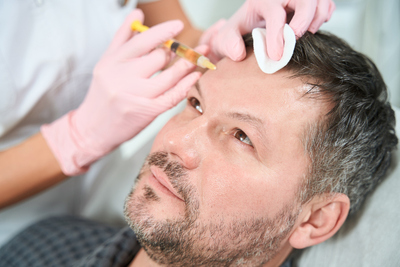
Platelet Rich Plasma
PRP can be injected into the balding scalp to potentially stimulate thin (miniaturized) hair to grow into thicker (terminal) hairs. Patients with thinning areas are the best candidates.
Many patients interested in PRP first want to understand why they are losing hair and whether their hair thinning is related to genetics, stress, hormones, or another underlying issue.
When PRP hair loss therapy is a useful approach, a qualified physician can begin your treatment at the time of your consultation and continue subsequent treatments at increasing intervals. During the visit six months after your first treatment, your response will be assessed. Follow-up treatments will be given twice a year based on your progress.
PRP may be especially helpful for patients with early hair thinning, mild hair loss, or certain forms of alopecia. In some cases, providers may also recommend combining PRP with non-surgical hair loss treatments for improved results.
The long-term benefits of PRP treatments for hair loss are not yet known. All patients receiving PRP treatments are followed closely to determine effectiveness and if other therapeutic modalities may be needed.
Women experiencing hair thinning may also benefit from reviewing these hair loss tips for women of color. Patients who notice changes in eyebrow density may also want to learn more about why eyebrows thin over time.
Because PRP is also commonly used in cosmetic dermatology, some patients explore pairing hair restoration with treatments like microneedling with PRP to support skin rejuvenation and collagen production.
