
Ragweed Allergy Season: When It Starts and How to Prepare
Quick Answer: Ragweed allergy season typically starts in mid-to-late August, peaks around mid-September, and lasts until the first hard frost, often in October or later depending on your region. Symptoms include sneezing, congestion, and itchy eyes, similar to other seasonal allergies. Preparing before the season starts, and knowing your treatment options, can make a big difference. Our allergists and allergy specialists can help you build a plan before symptoms hit. 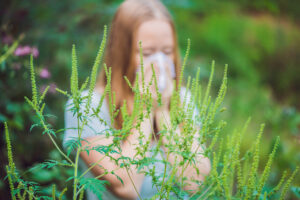
If your sneezing, congestion, and itchy eyes seem to show up every fall like clockwork, ragweed is often the culprit. It can be frustrating when allergy season sneaks up on you, especially if you wait until symptoms are already in full swing to do anything about it.
This post covers when ragweed season typically starts and peaks, the symptoms to watch for, and how to prepare so you’re not caught off guard.
When Does Ragweed Season Start?
Ragweed allergy season typically begins in mid-to-late August, though it can start earlier in warmer regions or during mild, dry aut
umns. Ragweed plants release pollen as summer transitions into fall, and a single plant can produce a large amount of pollen that travels easily on the wind.
Because ragweed pollen can spread over long distances, you don’t need ragweed growing nearby to be affected by it. Weather conditions like wind and warm, dry days tend to push pollen counts higher.
Ragweed Allergy Season Timeline
| Timing | What Usually Happens |
|---|---|
| Mid-to-late August | Ragweed season often begins as plants start releasing pollen. This is a good time to start preventive treatment if you know ragweed affects you. |
| Mid-September | Ragweed pollen usually peaks, and symptoms are often at their worst. |
| October or first hard frost | Ragweed season typically starts to wind down once colder temperatures arrive. In warmer regions, symptoms may last longer. |
Starting treatment before symptoms begin can help reduce inflammation early, making sneezing, congestion, itchy eyes, and other symptoms easier to control once pollen counts rise.
Regional Differences in Ragweed Season
Ragweed season can vary depending on where you live. In many Northeastern and Midwestern states, symptoms often begin in August, peak in September, and improve after the first hard frost in October. In warmer Southern states, ragweed pollen may appear earlier and last later into the fall. In milder coastal or warmer climates, symptoms can linger longer if a hard frost is delayed.
Because pollen levels change with weather and location, checking local pollen counts can help you plan outdoor activities and adjust your allergy routine during peak season.
When Does Ragweed Season Peak?
Ragweed season generally peaks around mid-September, when pollen counts are at their highest in most parts of the country. Symptoms often continue until the first hard frost, which typically arrives sometime in October, though this varies by climate and can extend later in warmer regions.
Rainy days can offer some temporary relief, since rain helps settle pollen. Dry, windy days tend to make symptoms worse.
Common Ragweed Allergy Symptoms
Direct answer: common ragweed allergy symptoms include sneezing, congestion, itchy or watery eyes, an itchy throat, and fatigue, similar to symptoms caused by other types of seasonal allergies.
Typical symptoms include:
- Sneezing
- Nasal congestion
- Itchy or watery eyes
- Itchy nose or throat
- Coughing
- Post-nasal drip
- Fatigue
- Dark, swollen areas under the eyes
Ragweed allergies can also trigger oral allergy syndrome in some people, causing itching in the mouth after eating certain fruits like bananas or melons, since these foods share proteins similar to ragweed pollen.
How to Prepare Before Ragweed Season Starts
A few habits can help you get ahead of ragweed season instead of reacting to it once symptoms start:
- Start taking allergy medication before symptoms begin if you know ragweed affects you
- Check daily pollen counts and limit outdoor activity when counts are high
- Keep windows and doors closed during peak pollen hours, typically morning and evening
- Shower and change clothes after spending time outdoors to remove pollen
- Avoid hanging laundry outside, since pollen can cling to fabric
- Use an air purifier indoors to help reduce airborne allergens
- Schedule an appointment with an allergist or allergy specialist before the season ramps up if your symptoms are typically severe
Ragweed Allergy Relief and Treatment Options
Allergy testing can confirm whether ragweed is actually behind your symptoms, which helps your provider build a treatment plan targeted to your specific triggers rather than guessing based on symptoms alone. For seasonal allergies, this often includes skin prick testing, where small amounts of common allergens are placed on the skin to check for a reaction, or blood testing, which can measure allergy-related antibodies when skin testing is not the best option.
Starting treatment before symptoms begin is especially helpful for ragweed allergies. Preventive use of antihistamines, nasal sprays, or a provider-recommended plan can help control inflammation early, rather than trying to calm symptoms once pollen counts are already high.
Common treatment options include:
- Antihistamines, which help control sneezing, itching, and runny nose
- Nasal sprays, which reduce inflammation and congestion
- Eye drops, for itchy or watery eyes
- Immunotherapy (allergy shots), which gradually build tolerance to specific allergens like ragweed pollen over time
- Allergy drops, a needle-free alternative to allergy shots that works in a similar way
When to See an Allergy Specialist
If your symptoms are severe, don’t improve with over-the-counter medication, or interfere with sleep or daily activities, it’s worth seeing an allergist or allergy specialist. You should also seek care if you experience difficulty breathing, chest tightness, or facial swelling, since these can signal something beyond typical seasonal allergies.
An allergist or allergy specialist can confirm ragweed as your trigger through testing and offer longer-term relief options like immunotherapy, rather than just managing symptoms season after season.
The Bottom Line
Ragweed allergy season tends to follow a predictable pattern each year, starting in late summer and lasting until the first frost. Preparing ahead of time, and knowing which treatment options actually offer lasting relief, can help you get through fall without dreading it.
Get Ahead of Ragweed Season at Schweiger Dermatology & Allergy
At Schweiger Dermatology & Allergy, our board-certified allergists and allergy specialists help patients identify their triggers and build treatment plans that actually work, whether that’s allergy testing, immunotherapy, or ongoing symptom management. Explore our full range of seasonal allergy treatment options and allergy services, or find one of our allergy specialists near you.
Schedule an appointment today, or call 844-DERM-DOC to get ahead of ragweed season.
FAQs
When does ragweed season start?
Ragweed season typically starts in mid-to-late August, though it can begin earlier in warmer regions or during dry autumns.
How long does ragweed season last?
Ragweed season generally lasts from late summer until the first hard frost, often sometime in October, though this varies by region and climate.
What are the symptoms of a ragweed allergy?
Common symptoms include sneezing, congestion, itchy or watery eyes, an itchy throat, coughing, and fatigue.
How is a ragweed allergy diagnosed?
An allergist or allergy specialist can confirm a ragweed allergy through skin prick testing, patch testing, or blood testing, depending on your medical history and symptoms.
Can a ragweed allergy be cured?
There’s no permanent cure for a ragweed allergy, but treatments like immunotherapy can meaningfully reduce sensitivity over time, and medications can manage symptoms in the meantime.
What is the best treatment for ragweed allergies?
Treatment depends on symptom severity. Antihistamines and nasal sprays work well for mild to moderate symptoms, while immunotherapy or allergy drops offer longer-term relief for more persistent cases.
Does rain affect ragweed pollen counts?
Yes. Rain tends to settle pollen and can offer temporary relief, while dry, windy days tend to push pollen counts higher.
