
Beyond Melanoma: The Skin Cancers People Don’t Talk About Enough
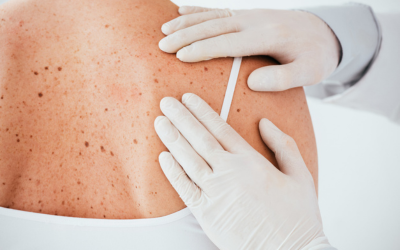 When most people think about skin cancer, melanoma usually gets the most attention. However, basal cell carcinoma (BCC) and squamous cell carcinoma (SCC) are actually the most common forms of skin cancer in the United States. These non-melanoma skin cancers often develop after years of cumulative sun exposure and can become serious if left untreated.
Learning the warning signs of basal cell carcinoma and squamous cell carcinoma can help patients seek treatment early and reduce the risk of complications, scarring, and tissue damage.
Dr. Ezra Hazan, a board-certified dermatologist at Schweiger Dermatology in New Jersey, explains that basal cell carcinoma and squamous cell carcinoma are often underestimated despite being the most common forms of skin cancer. “Despite BCC and SCC being much more common than melanoma, they get much less attention in part because they are less likely to spread and harm someone’s overall health. There is a potential for SCC and, to a lesser extent, BCC to metastasize, but that’s at a much lower rate than melanoma.”
Lower risk of spreading, however, does not mean lower risk of harm.
What Is Non-Melanoma Skin Cancer?
Non-melanoma skin cancer is a term used to describe skin cancers that are not melanoma, most commonly basal cell carcinoma (BCC) and squamous cell carcinoma (SCC). These cancers usually develop in areas frequently exposed to ultraviolet (UV) radiation, including the face, scalp, neck, chest, ears, arms, and hands.
While these cancers are often highly treatable when caught early, delaying treatment can allow them to grow deeper into the skin and surrounding tissues.
What Is Basal Cell Carcinoma (BCC)?
Basal cell carcinoma (BCC) is the most common form of skin cancer worldwide. Each year, approximately 3.6 million Americans are diagnosed with basal cell carcinoma.
BCC commonly develops on sun-exposed areas and may appear as:
- A pearly or waxy bump
- A flat flesh-colored or scar-like lesion
- A sore that repeatedly scabs, crusts, or bleeds
- A spot that heals and returns
- A shiny pink or translucent growth
According to Dr. Hazan, “BCC and SCC need to be treated because their nature is to perpetually grow wider and deeper unless they are removed. They can invade local nerves and blood vessels even if they don’t have a high risk of spreading elsewhere.”
BCC can also become cosmetically disfiguring, especially when skin cancers develop on sensitive areas of the face where procedures like Mohs surgery may be recommended to preserve as much healthy tissue as possible.
Common Symptoms of Basal Cell Carcinoma
Common warning signs of basal cell carcinoma include:
- A non-healing sore
- A shiny or pearly bump
- A pink growth with raised edges
- A lesion that bleeds easily
- A flat scar-like area
- A recurring scab or crusted patch
Any persistent or changing skin lesion should be evaluated by a dermatologist.
What Is Squamous Cell Carcinoma (SCC)?
Squamous cell carcinoma (SCC) is the second most common form of skin cancer, with approximately 1.8 million Americans diagnosed each year. SCC carries a higher risk of spreading than BCC, particularly when treatment is delayed.
Research has shown SCC rates have risen significantly over the last several decades, and organ transplant recipients remain at especially elevated risk due to immune suppression.
Dr. Hazan explains, “Squamous cell carcinoma typically develops as a thick scaly red bump. It can sometimes be tender or bleed easily. Some SCC can appear as a crater-like bump that develops and grows rapidly.”
What Are the Most Common Signs of Skin Cancer?
Many forms of skin cancer share similar warning signs. Common symptoms include:
- A sore that does not heal
- A pearly or waxy bump
- A rough or scaly patch
- A spot that bleeds easily
- A rapidly growing lesion
- A mole or growth that changes in size, shape, or color
- A recurring scab or crusted area
If you notice a new, changing, or unusual skin lesion, schedule a professional skin cancer evaluation with a dermatologist.
Risk Factors for Basal Cell and Squamous Cell Carcinoma
The risk factors for BCC and SCC overlap significantly, with cumulative UV exposure remaining one of the biggest contributors.
“BCC and SCC are highly correlated with sun exposure, especially sunburns that occurred during one’s youth,” says Dr. Hazan.
Additional risk factors include:
- Frequent sun exposure
- History of blistering sunburns
- Fair skin, light eyes, or light hair
- Tanning bed use
- Older age
- Chronic sun damage
- A weakened immune system
- Organ transplantation
- Long-term immunosuppressive medications
- Previous skin cancer diagnoses
- Precancerous skin lesions such as actinic keratosis
Patients with significant sun damage may also benefit from treatments that target visible UV-related skin changes, including laser treatments for sun damage.
Merkel Cell Carcinoma and Other Rare Skin Cancers
Merkel cell carcinoma is a rare but aggressive type of skin cancer, with approximately 3,200 new cases diagnosed in the United States each year. Although uncommon, it carries a relatively high recurrence risk.
Researchers continue studying new immunotherapy combinations for advanced Merkel cell carcinoma, especially for patients whose cancers have not responded to standard treatments.
Other rare skin cancers include:
- Dermatofibrosarcoma protuberans (DFSP)
- Sebaceous carcinoma
- Cutaneous T-cell lymphoma
These conditions are reminders that not every dangerous skin lesion looks like a traditional mole or melanoma.
Why Early Skin Cancer Detection Matters
Skin cancers detected early are generally easier to treat and less likely to cause significant tissue damage or scarring.
Unfortunately, many people delay seeing a dermatologist because a lesion does not hurt or initially appears harmless. However, skin cancers often continue growing beneath the surface even when symptoms seem minor.
Routine skin exams and prompt dermatologic evaluations remain some of the most effective tools for identifying skin cancer early.
How to Reduce Your Risk of Skin Cancer
While not every skin cancer can be prevented, there are steps patients can take to lower their risk:
- Wear broad-spectrum SPF 30+ sunscreen daily
- Avoid tanning beds
- Wear hats and protective clothing outdoors
- Limit prolonged midday sun exposure
- Perform routine skin self-checks
- Schedule annual skin exams with a dermatologist
- Seek evaluation for any sore or lesion that does not heal
Preventative skin care and early detection remain two of the most important ways to reduce long-term skin cancer risk.
Frequently Asked Questions About Non-Melanoma Skin Cancer
Is basal cell carcinoma dangerous?
Basal cell carcinoma is usually slow-growing, but it can become locally destructive if left untreated and may invade surrounding tissue, nerves, and blood vessels.
Can squamous cell carcinoma spread?
Yes. Squamous cell carcinoma has a greater risk of spreading than basal cell carcinoma, especially when diagnosis and treatment are delayed.
What does basal cell carcinoma look like?
BCC may appear as a pearly bump, shiny lesion, non-healing sore, pink growth, or flat scar-like patch.
Should I see a dermatologist for a spot that won’t heal?
Yes. Any sore, bump, scab, or lesion that persists, changes, bleeds, or repeatedly returns should be evaluated by a dermatologist.
BOOK YOUR SKIN EXAM TODAY
Whether it’s a pearly bump, a rough patch, or a sore that won’t heal — don’t dismiss it. Book an appointment with a Schweiger Dermatology provider for a professional evaluation. We’re here to give you answers and peace of mind.
