


Nodular Acne: Why Deep Acne Is So Hard to Treat
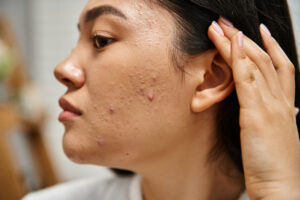 Nodular acne is one of the most severe and difficult forms of acne to manage. Unlike surface-level breakouts, nodular acne forms deep beneath the skin, where inflammation is harder to reach and healing takes longer. These deep breakouts are often painful, persistent and more likely to leave marks or acne scars behind.
People with nodular acne may feel frustrated by acne nodules that do not respond to over-the-counter products or seem to return even with consistent skincare. Understanding what nodular acne is, what causes it and why treatment often requires medical care can help set realistic expectations and guide next steps.
What Is Nodular Acne?
Nodular acne is a type of inflammatory acne that causes large, solid bumps beneath the surface of the skin. These bumps, known as acne nodules, develop when clogged pores and bacteria trigger inflammation deep within the skin.
Unlike whiteheads or pustules, an acne nodule does not form a visible head and cannot be safely extracted. Because nodular acne affects deeper skin layers, it tends to last longer and carries a higher risk of scarring.
What Does Nodular Acne Look and Feel Like?
Nodular acne often appears as firm, swollen bumps under the skin. These lesions may be red or skin colored and are usually tender to the touch.
Common features of acne nodules include:
- Firm or hard bumps beneath the skin
- Pain or soreness
- Swelling or redness
- Breakouts that last for weeks
- Lesions that do not drain
A deep acne nodule may feel uncomfortable even when it is not highly visible, which makes nodular acne particularly distressing for many patients.
Causes of Nodular Acne
Several factors contribute to nodular acne. While clogged pores play a role in all types of acne, nodular acne involves a stronger and deeper inflammatory response.
Common causes of nodular acne include increased oil production, trapped bacteria, hormonal fluctuations and genetic predisposition. When inflammation extends into deeper layers of the skin, nodules are more likely to form.
Understanding what causes nodular acne helps explain why surface treatments alone are often ineffective.
Nodular Acne vs Cystic Acne
Nodular acne and cystic acne are both considered severe forms of acne, and the two are sometimes confused. While they share similarities, there are important differences.
Nodular acne consists of solid, firm lesions that form deep under the skin. Cystic acne lesions tend to be softer and may contain fluid. Both conditions can be painful and increase the risk of scarring, but acne nodules are typically harder and do not have a visible opening.
Regardless of the type, deep inflammatory acne usually requires professional treatment.
Why Nodular Acne Is So Hard to Treat
Nodular acne is difficult to treat because the inflammation develops far below the skin’s surface. Most topical products are designed to work on superficial breakouts and cannot penetrate deeply enough to reach acne nodules.
Attempting to squeeze or pick a nodule acne lesion can worsen inflammation and significantly increase the risk of permanent scarring. In addition, nodular acne often has hormonal or genetic components, which means treatment needs to address internal factors as well as surface symptoms.
How Long Does Nodular Acne Last?
Acne nodules usually last longer than typical pimples. A single nodule may persist for several weeks or even months without proper treatment.
When nodular acne recurs frequently, ongoing inflammation can damage surrounding tissue and increase the likelihood of scarring or discoloration. Early treatment can help shorten the duration of breakouts and protect the skin.
How Dermatologists Treat Nodular Acne
Dermatologists and dermatology providers treat nodular acne using medical therapies designed to reduce deep inflammation and prevent future nodules.
Treatment plans are personalized based on severity, skin type and medical history. In many cases, prescription acne medications are needed to control nodular acne and reduce the risk of scarring.
Because nodular acne does not respond well to surface products alone, professional care is often essential.
How to Treat Nodular Acne Safely
Safe nodular acne treatment focuses on reducing inflammation while protecting the skin barrier. Picking, squeezing or aggressively exfoliating acne nodules can worsen symptoms and delay healing.
Using multiple harsh products at once may also irritate the skin and increase inflammation. Working with a dermatologist helps ensure treatment is effective without causing unnecessary damage.
How to Get Rid of Nodular Acne Long-Term
Getting rid of nodular acne usually requires consistency and patience. Because nodular acne often has hormonal or genetic triggers, treatment may focus on long-term management rather than quick fixes.
Dermatologists may adjust treatment plans over time to maintain improvement and prevent new nodules from forming.
Preventing Acne Nodules
Not all nodular acne can be prevented, but certain habits may help reduce flare-ups.
Helpful strategies include:
- Maintaining a consistent skincare routine
- Avoiding picking or squeezing deep acne
- Using non-comedogenic products
- Seeking early treatment when nodules appear
Early intervention can help prevent small breakouts from progressing into deep acne nodules.
When to See a Dermatologist
You should see a dermatologist if acne nodules are painful, persistent or leaving marks behind. Nodular acne is unlikely to resolve on its own and often worsens without treatment.
Dermatologists and dermatology providers can diagnose nodular acne and recommend treatment options that reduce inflammation and protect long-term skin health.
Book an Appointment With Schweiger Dermatology Group
If you are struggling with deep, painful acne that does not improve, expert care can help. Dermatologists and dermatology providers at Schweiger Dermatology Group offer treatment options designed to manage nodular acne and reduce the risk of scarring. Call 844-DERM-DOC or book online today to schedule an appointment.
