


Does Makeup Cause Acne? Understanding Cosmetic Acne
For many people, makeup is part of their everyday routine. It can help even out skin tone, cover blemishes and boost confidence. But if you have ever noticed new breakouts appearing after trying a new foundation, concealer or skincare product, you may wonder: does makeup cause acne? 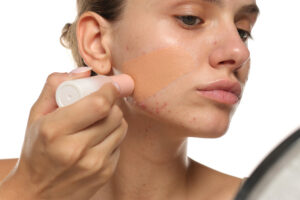
The short answer is that certain cosmetics can contribute to breakouts for some people. This type of breakout is often called cosmetic acne. While makeup itself does not automatically cause acne, some ingredients, formulas or application habits can clog pores and trigger breakouts.
Understanding how cosmetic acne develops can help you choose products that support your skin instead of working against it.
What Is Cosmetic Acne?
Cosmetic acne refers to breakouts triggered by makeup, skincare products or other cosmetic products that clog pores or irritate the skin. These breakouts often appear gradually and may show up as small bumps, whiteheads or inflamed pimples.
Unlike hormonal acne, which is often linked to internal factors like hormone changes, cosmetic acne is usually caused by external factors. The ingredients in certain products can block pores or trap oil and debris against the skin, creating an environment where acne can develop.
Cosmetic acne is most likely to occur in areas where makeup is applied regularly, such as the cheeks, chin, forehead or jawline.
Does Makeup Cause Acne?
Makeup does not automatically cause acne for everyone. However, some products can increase the likelihood of clogged pores, particularly for people with oily or acne-prone skin.
When pores become blocked with oil, dead skin cells or product buildup, bacteria can multiply inside the pore. This can lead to inflammation and the development of whiteheads, blackheads or pimples.
Several factors can increase the likelihood of acne from makeup.
Pore-Clogging Ingredients
Certain cosmetic ingredients are more likely to block pores in acne-prone skin. Thick oils, waxes and heavy formulas may trap oil and debris in the pores.
Heavy or Layered Makeup
Applying multiple layers of foundation, primer, powder and setting spray can create buildup on the skin. When pores stay covered for long periods, they may become more likely to clog.
Not Removing Makeup Properly
Sleeping in makeup or failing to remove products completely at the end of the day can significantly increase the risk of breakouts. Makeup can mix with sweat, oil and environmental debris, creating buildup that clogs pores.
Expired or Contaminated Products
Old makeup or dirty makeup brushes can introduce bacteria to the skin, which may contribute to acne.
Signs of Cosmetic Acne
Cosmetic acne often looks slightly different from hormonal acne. Breakouts may appear as clusters of small bumps rather than deep cystic pimples.
Common cosmetic acne symptoms include:
- Small whiteheads or clogged pores
- Tiny bumps that create rough or uneven texture
- Breakouts concentrated on the cheeks, chin or forehead
- Mild inflamed pimples in areas where makeup is applied most often
- Skin that feels congested or bumpy
These breakouts often develop gradually. Many people notice cosmetic acne appearing several weeks after starting a new makeup or skincare product.
Ingredients That May Trigger Breakouts
While every person’s skin reacts differently, certain ingredients are more commonly associated with clogged pores or irritation.
Ingredients that may contribute to cosmetic acne include:
- Thick oils and waxes used in heavy foundations
- Highly occlusive ingredients that trap oil in the pores
- Fragrances that may irritate sensitive skin
- Heavy silicone-based formulas that create buildup on the skin
Choosing products labeled non-comedogenic or oil-free may reduce the risk of clogged pores for people with acne-prone skin.
How to Treat Cosmetic Acne
If you suspect your breakouts are related to cosmetics, simplifying your routine is often the first step. Removing the suspected product and allowing the skin time to recover may help improve breakouts.
Dermatologists and dermatology providers often recommend a few key strategies to treat cosmetic acne:
- Stop using any product that appears to be triggering breakouts
- Use a gentle cleanser to remove oil, makeup and debris from the skin
- Choose lightweight, non-comedogenic moisturizers and sunscreens
- Use acne treatments that help clear clogged pores
- Avoid layering multiple heavy makeup products while the skin heals
Acne treatments commonly recommended for cosmetic acne include ingredients like salicylic acid, benzoyl peroxide, retinoids and azelaic acid.
Choosing Makeup for Acne-Prone Skin
Having acne-prone skin does not mean you need to stop wearing makeup completely. Instead, choosing the right products and applying them carefully can help prevent breakouts.
Helpful tips for choosing makeup for acne-prone skin include:
- Look for products labeled non-comedogenic or oil-free
- Choose lightweight liquid, gel or mineral formulas
- Avoid heavy cream-based foundations or thick oils
- Apply thin layers instead of building multiple heavy layers
- Wash makeup brushes and sponges regularly
- Always remove makeup thoroughly before bed
These habits can reduce the likelihood of clogged pores and help maintain clearer skin.
When to See a Dermatologist for Acne
If breakouts continue despite changing makeup products or improving your skincare routine, it may be time to see a specialist. Dermatologists and dermatology providers can help determine whether breakouts are related to cosmetics, hormonal acne or another underlying cause. They may recommend prescription treatments or skincare plans designed to clear acne while protecting the skin barrier.
Treat Acne at Schweiger Dermatology Group
If you are experiencing persistent breakouts or suspect your skincare or makeup products may be contributing to acne, professional care can help.
Dermatologists and dermatology providers at Schweiger Dermatology Group offer personalized treatment options designed to manage inflammatory acne and reduce the risk of scarring. Call 844-DERM-DOC or book online today to schedule an appointment.
