
Why Do Allergies Cause Puffy Eyes and Dark Circles?
If you deal with seasonal allergies, you may already be familiar with symptoms like sneezing, congestion and itchy eyes. However, allergies can also affect the way your skin looks, especially around the eyes. Many people notice swelling, puffiness or dark circles that seem to appear whenever allergy symptoms flare up. 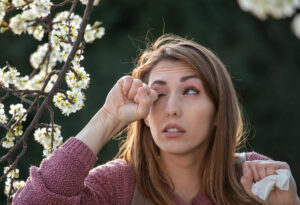
This is sometimes referred to as “allergy eyes.” When your immune system reacts to allergens like pollen, dust or pet dander, inflammation can develop in the delicate skin around the eyes. The result is often puffy eyes from allergies, dark circles or under-eye swelling that can make you look tired even when you feel fine.
Understanding why allergies cause these symptoms can help you find ways to reduce irritation and improve the appearance of the eye area.
Why Allergies Affect the Eye Area
The skin around the eyes is extremely thin and sensitive compared with other parts of the face. Because of this, even small amounts of inflammation can become noticeable.
When your body encounters an allergen, the immune system releases histamine and other chemicals designed to defend against the perceived threat. While this response helps fight allergens, it also triggers inflammation and increased blood flow in surrounding tissues.
Around the eyes, this reaction can lead to several visible symptoms, including:
- Swelling or puffiness
- Redness and irritation
- Watery or itchy eyes
- Dark circles beneath the eyes
Because the eye area has delicate blood vessels and very thin skin, these changes can quickly become noticeable.
Why Allergies Cause Puffy Eyes
Puffy eyes from allergies are usually caused by inflammation and fluid buildup in the tissues surrounding the eyes.
Histamine Release
When allergens trigger an immune response, histamine causes blood vessels to expand. This can lead to swelling in nearby tissues, including the eyelids.
Increased Fluid Retention
Inflammation can cause fluid to accumulate in the skin around the eyes. Because the eyelid area has very thin skin and little underlying support, fluid retention may create visible puffiness.
Rubbing the Eyes
Allergy symptoms often make the eyes feel itchy. Frequent rubbing can irritate the delicate skin and worsen swelling.
Nasal Congestion
Congestion from allergies can slow circulation around the eyes. When blood flow is restricted, fluid may accumulate in the surrounding tissues, making the eyes appear swollen.
For many people, allergy eye puffiness becomes more noticeable in the morning because fluid naturally collects in facial tissues overnight.
Why Allergies Cause Dark Circles
Allergies can also contribute to dark circles under the eyes, sometimes called “allergic shiners.” These dark areas develop when blood vessels beneath the eyes become more visible through the thin skin in that area.
Several factors contribute to this appearance.
Blood Vessel Dilation
Histamine causes blood vessels to expand. Because the skin under the eyes is so thin, enlarged blood vessels can appear darker or bluish through the skin.
Poor Circulation From Congestion
Allergy-related nasal congestion can slow blood flow around the sinus area. This may cause blood to pool in the vessels under the eyes, creating darker discoloration.
Inflammation
Ongoing inflammation around the eyes can make pigmentation appear more noticeable.
Sleep Disruption
Seasonal allergies can interfere with sleep due to congestion or sinus pressure. Poor sleep may worsen the appearance of dark circles.
For many people, the combination of puffiness and dark circles makes allergy symptoms more noticeable on the face.
Common Allergens That Trigger Eye Puffiness
Allergy eye symptoms can develop in response to many different allergens. The most common triggers include:
- Pollen from trees, grass or weeds
- Dust mites in bedding and carpets
- Pet dander from cats or dogs
- Mold spores in damp environments
- Air pollution or environmental irritants
Seasonal allergies are especially likely to cause puffy eyes and dark circles because pollen exposure tends to increase during certain times of the year.
How to Get Rid of Puffy Eyes From Allergies
Treating the underlying allergy is usually the most effective way to reduce eye puffiness and dark circles. However, several strategies may help relieve symptoms and improve the appearance of the eye area.
Use Cold Compresses
Applying a cool compress to the eyes can help reduce swelling by constricting blood vessels and calming inflammation.
Manage Allergy Symptoms
Treatments that reduce allergic reactions can also improve eye symptoms. Allergy providers may recommend:
- Antihistamines
- Nasal sprays
- Eye drops designed for allergy relief
- Allergy drops
- Allergy shots
These treatments help reduce inflammation and histamine release.
Avoid Rubbing Your Eyes
Rubbing the eyes can worsen irritation and increase swelling. Instead, gently rinse the eyes with clean water or use artificial tears to relieve itching.
Elevate Your Head During Sleep
Sleeping with your head slightly elevated can reduce fluid buildup around the eyes overnight.
Apply Soothing Eye Products
Some eye creams contain ingredients that help calm inflammation and improve circulation around the eyes.
Ingredients that may help include:
- Caffeine
- Peptides
- Hyaluronic acid
- Niacinamide
These ingredients can help reduce swelling and improve the appearance of the under-eye area.
When Puffy Eyes May Not Be Allergies
While allergies are a common cause of eye puffiness, other factors can also contribute to under-eye swelling and dark circles.
Possible causes include:
- Lack of sleep
- Dehydration
- Genetics
- Aging and thinning skin
- Sinus infections
- Certain medical conditions
If eye puffiness or discoloration persists even when allergy symptoms are controlled, a medical evaluation may help determine the cause.
Allergy Treatment at Schweiger Dermatology and Allergy
If seasonal allergies are affecting your eyes, skin or overall comfort, professional care can help identify triggers and provide effective treatment options.
Allergy providers at Schweiger Dermatology and Allergy diagnose and treat seasonal allergies that contribute to symptoms like sneezing, sinus pressure, fatigue and eye irritation.
If allergy symptoms seem to flare in March or worsen with seasonal changes, expert care can help. Schedule an appointment today to discuss allergy testing and treatment options that may help relieve symptoms and improve your quality of life.
