
 Shop
Shop Pay Bill
Melasma vs Sun Spots: What’s the Difference?
If you’ve noticed dark patches or spots appearing on your skin, you may wonder what’s causing them. Two of the most common types of pigmentation people notice are melasma and sun spots. While they can look somewhat similar at first glance, they develop for different reasons and often require different treatment approaches.
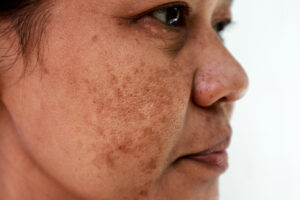
Understanding the difference between melasma vs sun spots is important if you want to choose the right treatment and prevent new discoloration from appearing.
Dermatologists and dermatology providers often see patients who assume any dark spot is caused by sun damage. In reality, melasma is a more complex condition that is influenced by hormones, genetics and sun exposure.
What Is Melasma?
Melasma is a common skin condition that causes patches of darkened skin, usually on areas of the face that receive a lot of sun exposure. These patches often appear on the cheeks, forehead, upper lip and nose.
Unlike individual dark spots, melasma usually develops in larger areas of pigmentation that look somewhat blotchy or uneven.
Melasma is sometimes referred to as the “mask of pregnancy” because it frequently develops during pregnancy due to hormonal changes. However, melasma can affect anyone, including men.
Common symptoms of melasma include:
- Brown, gray-brown or tan patches on the skin
- Pigmentation that appears in symmetrical patterns on the face
- Dark patches on the cheeks, forehead, nose or upper lip
- Skin discoloration that becomes more noticeable with sun exposure
Melasma tends to develop gradually and may worsen during the summer months when sun exposure increases.
What Causes Melasma?
Melasma is usually triggered by a combination of factors that increase pigment production in the skin.
Some of the most common melasma causes include:
- Sun Exposure: Ultraviolet light stimulates pigment-producing cells in the skin.
- Hormonal Changes: Pregnancy, birth control pills or hormone therapy can trigger melasma.
- Genetics: People with a family history of melasma may be more likely to develop it.
- Skin Irritation: Certain skincare products or procedures may worsen pigmentation.
Because melasma is influenced by hormones and sun exposure, it can be persistent and sometimes difficult to treat without professional care.
What Are Sun Spots?
Sun spots, also called solar lentigines or age spots, are flat dark spots that develop after years of sun exposure. They most commonly appear on areas that receive frequent sunlight, such as the face, hands, shoulders and chest.
Unlike melasma, sun spots usually appear as individual spots rather than large patches. Sun spots are a form of sun damage and tend to become more common as people get older.
Common signs of sun spots include:
- Flat brown or dark tan spots
- Spots that appear individually rather than in large patches
- Pigmentation that develops on sun-exposed areas
- Spots that remain relatively stable in color and shape
Sun spots are generally harmless but many people seek treatment because they affect the overall appearance of the skin.
Melasma vs Sun Spots: Key Differences
Although melasma and sun spots both cause dark areas on the skin, there are several ways to tell them apart.
Melasma
- Appears as larger patches of pigmentation
- Often develops on both sides of the face
- Frequently linked to hormonal changes
- May worsen with heat and sun exposure
Sun spots
- Appear as individual dark spots
- Develop gradually from years of sun exposure
- Often found on the face, hands and chest
- Usually remain the same size and shape over time
Because the two conditions develop differently, treatment strategies may also vary.
Can Sun Exposure Make Melasma Worse?
Yes. Sun exposure is one of the biggest triggers for melasma.
Even small amounts of ultraviolet light can stimulate pigment-producing cells in the skin, making melasma patches darker and more noticeable. This is why people with melasma often notice their pigmentation worsening during the summer months.
Daily sun protection is one of the most important parts of managing melasma.
Dermatologists and dermatology providers often recommend:
- Broad-spectrum sunscreen with SPF 30 or higher
- Wearing hats or protective clothing outdoors
- Avoiding prolonged sun exposure when possible
Without proper sun protection, melasma treatments may be less effective.
Melasma Treatment Options
Treating melasma can be more complex than treating sun spots because the pigment often sits deeper in the skin and is influenced by hormones.
Dermatologists and dermatology providers may recommend a combination of treatments depending on the severity of pigmentation.
Common melasma treatment options include:
- Prescription topical medications that reduce pigment production
- Chemical peels that help exfoliate pigmented skin
- Laser or light treatments designed to target discoloration
- Medical-grade skincare products that help brighten the skin
Because melasma can return if triggers remain, treatment plans often include both corrective and preventive strategies.
Treatment Options for Sun Spots
Sun spots typically respond well to treatments that target localized pigment.
Common treatment options for sun spots include:
- Laser treatments that break up excess pigment
- Intense pulsed light (IPL) therapy
- Chemical peels
- Cryotherapy to freeze and remove spots
- Prescription topical treatments
These cosmetic dermatology treatments can significantly reduce the appearance of sun spots and improve overall skin tone.
When to See a Dermatologist for Dark Spots
If you notice new pigmentation appearing on your skin or if existing spots are changing in size or color, it’s a good idea to have them evaluated by a specialist.
Dermatologists and dermatology providers can determine whether pigmentation is caused by melasma, sun spots or another skin condition. They can also recommend treatments designed to improve skin tone while protecting the skin from further damage and skin cancer.
Treat Melasma and Sun Spots at Schweiger Dermatology Group
If you’re noticing dark patches or spots on your skin, professional care can help identify the cause and determine the best treatment. Dermatologists and dermatology providers at Schweiger Dermatology Group offer personalized treatment options designed to reduce pigmentation and improve overall skin tone. Call 844-DERM-DOC or book online today to schedule an appointment.
