


What is Basal Cell Carcinoma Skin Cancer?
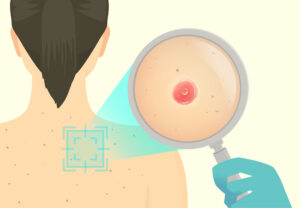 Basal cell carcinoma is the most common type of skin cancer, but it is also one of the easiest to misunderstand. Many people expect skin cancer to look alarming or feel painful. In reality, basal cell carcinoma often develops quietly and slowly. It may resemble a small bump, a sore that keeps reopening, a patch of dry skin or eczema, or even a faint scar, which makes it easy to ignore.
Although basal cell carcinoma is usually very treatable, leaving it unchecked can allow it to grow deeper into the skin over time. Understanding what it is, what it looks like, and how it is treated can help you recognize concerns early and protect your skin health.
What Is Basal Cell Carcinoma?
Basal cell carcinoma, sometimes called basal cell skin cancer, begins in the basal cells located in the lowest layer of the epidermis. These cells play an important role in creating new skin cells as older ones shed.
Basal cell carcinoma most often develops after years of sun exposure. While it rarely spreads to other parts of the body, it can continue to grow locally if left untreated. Over time, this growth can damage surrounding skin, tissue, and even underlying structures. Because basal cell carcinoma tends to grow slowly, many people do not realize something is wrong until the spot changes or fails to heal.
What Does Basal Cell Carcinoma Look Like?
Basal cell carcinoma does not have one single appearance. It can look different depending on the person, skin tone, type of basal cell and location on the body. This variety is one of the reasons basal cell skin cancer is often mistaken for a harmless skin issue.
Common basal cell carcinoma symptoms and appearances include:
- A shiny or pearly bump that may be pink, flesh colored, or slightly translucent
- A sore that bleeds, scabs, heals, and then returns
- A flat patch that looks scaly or slightly irritated
- A pink or red area that does not fully heal
- A scar like area that feels firm, waxy, or smooth
On lighter skin tones, basal cell carcinoma often appears pink or pearly. On darker skin tones, it may appear brown, darker than surrounding skin, or slightly pigmented.
Early Stages of Basal Cell Skin Cancer
Basal cell skin cancer in its early stages is easy to dismiss. Many people assume it is acne, a minor injury, or dry skin. Early lesions may stay the same size for long periods of time or seem to heal temporarily before coming back.
Signs of early basal cell carcinoma may include:
- A spot that does not fully heal after several weeks
- Frequent crusting or bleeding with minor irritation
- A shiny or raised area that looks different from nearby skin
Because early basal cell carcinoma does not always hurt or itch, regular skin exams are an important part of early detection.
Symptoms of Basal Cell Carcinoma
Symptoms of basal cell carcinoma often develop gradually rather than suddenly. Over time, you may notice:
- A persistent sore or spot
- Bleeding or scabbing that keeps recurring
- Changes in texture, thickness, or appearance
- A lesion that slowly grows larger
Any skin change that behaves differently from the rest of your skin or does not heal should be evaluated by a dermatology provider.
What Causes Basal Cell Carcinoma?
Basal cell carcinoma causes are closely linked to ultraviolet radiation, but several factors can increase risk.
Sun Exposure
Long term exposure to sunlight is the leading cause of basal cell skin cancer. Damage from UV rays adds up over time, even if you do not burn frequently.
Skin Type
People with fair skin, light hair, or light eyes generally have less natural protection from UV radiation and are more vulnerable to skin cancer.
Age
Basal cell carcinoma is more common with increasing age, but it is being diagnosed more frequently in younger adults as well.
Personal or Family History
If you have had basal cell carcinoma before, your risk of developing another increases. A family history of skin cancer can also raise risk.
Weakened Immune System
People with weakened immune systems may have a higher risk of developing basal cell carcinoma.
Is Basal Cell Carcinoma Dangerous?
Basal cell carcinoma is considered the least aggressive type of skin cancer, but that does not mean it should be ignored. When left untreated, basal cell skin cancer can:
- Grow deeper into the skin
- Damage nearby tissue
- Become more difficult to treat
- Cause noticeable scarring
Early diagnosis makes treatment simpler and helps preserve healthy skin.
How Is Basal Cell Carcinoma Diagnosed?
Basal cell carcinoma is usually diagnosed during a skin cancer screening. If a spot looks suspicious, a biopsy may be performed. During a biopsy, a small sample of skin is removed and examined under a microscope to confirm the diagnosis. Detecting basal cell carcinoma early allows for more treatment options and better cosmetic results.
Basal Cell Carcinoma Treatment Options
Basal cell carcinoma treatment depends on the size, depth, location, and type of lesion, as well as a patient’s overall health.
Surgical Treatments
Surgery is the most common treatment for basal cell carcinoma. Options may include:
- Excision, which removes the cancer along with a margin of healthy skin
- Mohs surgery, which removes cancer layer by layer while preserving as much healthy tissue as possible
Mohs surgery is often recommended for basal cell carcinoma on the face or other sensitive areas.
Non Surgical Treatments
In certain cases, non surgical basal cell treatment options may be appropriate, including:
- Topical medications for superficial basal cell carcinoma
- Destruction of the skin cancer by electrodessication and curettage
- Cryotherapy, which freezes abnormal cells
- Light based or targeted therapies
A dermatology provider can help determine the best option for each individual case.
Can Basal Cell Carcinoma Come Back?
Basal cell carcinoma can recur, even after successful treatment. It may return in the same area or appear elsewhere on the skin. People who have had one basal cell carcinoma are at higher risk for developing additional skin cancers, which makes regular follow up care important.
How to Lower Your Risk of Basal Cell Skin Cancer
You can help reduce your skin cancer risk by:
- Wearing broad spectrum sunscreen daily
- Using protective clothing and hats outdoors
- Avoiding tanning beds
- Seeking shade during peak sun hours
- Scheduling routine skin exams
These habits can help protect your skin over time.
When to See a Dermatology Provider
You should schedule a skin exam if you notice:
- A spot that does not heal
- Recurrent bleeding or crusting
- Changes in size, shape, or color
- A lesion that looks different from others on your skin
Early evaluation often leads to simpler treatment and better outcomes.
Expert Care for Basal Cell Carcinoma
If you are concerned about a suspicious spot or have been diagnosed with basal cell carcinoma, expert care matters. Dermatologists and dermatology providers at Schweiger Dermatology Group offer comprehensive skin cancer evaluation and treatment options tailored to each patient. Call 844-DERM-DOC or book an appointment online to schedule a skin exam.
