


How to Calm a Rosacea Flare-Up Fast
Rosacea flare-ups often seem to appear out of nowhere. Your skin may feel completely normal one day and suddenly look flushed, irritated or inflamed the next. For many people, redness spreads across the cheeks and nose and may be accompanied by warmth, sensitivity or small bumps that resemble acne.
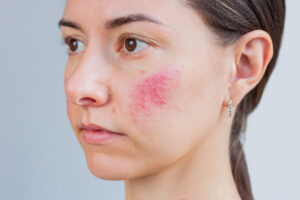
Living with rosacea can feel unpredictable because symptoms tend to come and go. While the condition itself is chronic, there are ways to calm a rosacea flare-up fast and reduce the intensity of symptoms when they occur. Understanding what triggers rosacea and knowing how to respond when your skin starts reacting can help shorten recovery time and make flare-ups easier to manage.
What Is a Rosacea Flare-Up?
Rosacea is a chronic inflammatory skin condition that most commonly affects the central face. It often begins with occasional flushing or redness that gradually becomes more persistent over time. While rosacea varies from person to person, the most recognizable symptom is redness across the cheeks, nose, chin or forehead.
A rosacea flare-up occurs when symptoms suddenly worsen. During a flare, redness may intensify and the skin may feel warm, sensitive or irritated. Some people also develop small bumps that resemble acne or notice visible blood vessels becoming more noticeable beneath the skin.
Because rosacea affects both inflammation and blood vessels, symptoms often fluctuate depending on environmental factors, lifestyle habits and individual triggers. Flare-ups may last a few hours in mild cases or several days if inflammation becomes more significant.
Learning what causes rosacea flare-ups can help patients better control symptoms and respond quickly when redness begins to appear.
What Causes Rosacea Flare-Ups?
Many different factors can trigger rosacea symptoms, and these triggers often vary from person to person. In general, anything that increases blood flow to the face or irritates sensitive skin can contribute to a flare.
Sun Exposure
Ultraviolet light is one of the most common rosacea triggers. Sun exposure can inflame the skin and worsen redness, especially for people who already have reactive or sensitive skin. Even short periods outdoors without protection may trigger flushing.
Heat and Temperature Changes
Heat can dilate blood vessels in the face and increase redness. Hot weather, saunas, steam rooms or hot showers are common triggers. Moving quickly between cold and warm environments can also cause facial flushing.
Stress
Many people wonder whether stress can cause a rosacea flare-up. Emotional stress activates the body’s inflammatory response and increases circulation, which can trigger redness and flushing in rosacea-prone skin.
Food and Drink Triggers
Certain foods and beverages may worsen symptoms. Spicy foods, very hot drinks and alcohol can all increase facial flushing. Red wine is one of the most frequently reported triggers among people with rosacea.
Irritating Skincare Products
Products that contain fragrance, alcohol, harsh exfoliants or strong active ingredients can irritate sensitive skin and lead to inflammation. Rosacea-prone skin typically responds best to gentle, barrier-supporting skincare.
Because triggers are highly individual, many dermatologists recommend paying attention to when flare-ups occur in order to identify patterns and avoid specific triggers over time.
How to Calm a Rosacea Flare-Up Fast
When redness or irritation begins to appear, taking action early may help prevent the flare from worsening. While rosacea cannot be cured, several dermatologist-recommended strategies can calm the skin and reduce inflammation more quickly.
Cool the Skin
One of the fastest ways to calm rosacea-prone skin is by gently cooling the face. Applying a cool, damp cloth to the skin for several minutes can help reduce flushing and relieve the sensation of heat.
Some patients find that keeping moisturizers or soothing serums in the refrigerator provides additional comfort during flare-ups. However, ice should never be placed directly on the skin, since extreme cold may worsen irritation.
Simplify Your Skincare Routine
During a rosacea flare-up, the skin barrier is often more sensitive and vulnerable to irritation. Using multiple active ingredients or exfoliating products can worsen inflammation and prolong symptoms.
Instead, simplify your routine and focus on the essentials: a gentle cleanser, a hydrating moisturizer and daily sunscreen. Temporarily reducing your routine allows the skin to recover without additional stress.
Use Soothing Ingredients
Certain skincare ingredients are known for their calming and anti-inflammatory effects. Niacinamide helps support the skin barrier and reduce redness. Azelaic acid is commonly recommended for rosacea because it can help treat bumps and inflammation associated with the condition.
Ceramides help restore moisture and strengthen the skin barrier, while ingredients like green tea extract and colloidal oatmeal may provide additional soothing benefits.
Avoid Common Triggers
Once a rosacea flare-up begins, avoiding triggers that worsen redness can help prevent symptoms from escalating. Limiting exposure to heat, spicy foods or alcohol may help the skin settle more quickly.
Using lukewarm water when washing the face and avoiding long hot showers can also reduce flushing. Managing stress through relaxation techniques or gentle exercise may help calm inflammation as well.
Protect Your Skin From the Sun
Sun protection is essential for anyone with rosacea. Ultraviolet exposure can worsen redness and prolong flare-ups.
A broad-spectrum sunscreen with SPF 30 or higher should be applied daily. Mineral sunscreens containing zinc oxide or titanium dioxide are often better tolerated by rosacea-prone skin because they are less likely to cause irritation.
How Long Do Rosacea Flare-Ups Last?
Many people with rosacea wonder how long flare-ups typically last. The answer varies depending on the trigger and the severity of the flare.
Mild flare-ups may resolve within a few hours once the trigger is removed and the skin is cooled. More significant flare-ups may last several days before redness and irritation begin to fade.
If flare-ups occur frequently or symptoms worsen over time, professional treatment may be necessary to control inflammation and prevent ongoing redness.
Rosacea Flare-Up Treatment Options
Dermatologists and dermatology providers may recommend several treatment options depending on the severity of rosacea symptoms.
Topical Medications
Prescription topical treatments are often used to reduce redness, bumps and inflammation associated with rosacea. These medications help calm the skin and improve overall appearance.
Oral Medications
For patients with moderate or persistent symptoms, oral medications may be used to control inflammation and reduce flare-ups.
Laser and Light Treatments
Laser and light therapies can help treat visible blood vessels and persistent redness by targeting dilated blood vessels beneath the skin. Over time, these treatments may significantly improve the appearance of rosacea.
Because rosacea symptoms vary widely between individuals, dermatologists and dermatology providers typically create personalized treatment plans that address each patient’s triggers and skin concerns.
How to Prevent Rosacea Flare-Ups
Preventing rosacea flare-ups often involves identifying triggers and creating a skincare routine designed for sensitive skin.
Daily sun protection is one of the most important preventive steps. Avoiding excessive heat, managing stress and choosing gentle skincare products can also help reduce flare-ups.
Many people with rosacea benefit from avoiding harsh scrubs, strong exfoliating acids and heavily fragranced products. Consistent skincare that supports the skin barrier may help reduce irritation and improve long-term skin health.
Working with dermatologists and dermatology providers can also help patients develop personalized strategies that keep rosacea symptoms under control.
Find Rosacea Treatment at Schweiger Dermatology Group
If rosacea flare-ups are becoming more frequent or difficult to manage, professional care can help. Dermatologists and dermatology providers at Schweiger Dermatology Group offer personalized rosacea treatment plans designed to calm inflammation, reduce redness and prevent future flare-ups.
Schedule an appointment with Schweiger Dermatology Group to learn more about rosacea treatment options and develop a plan that helps keep your skin calm, balanced and healthy. Call 844-DERM-DOC or book online today to schedule an appointment.
