Shop
Shop Pay Bill
Acne Scar Treatment Services
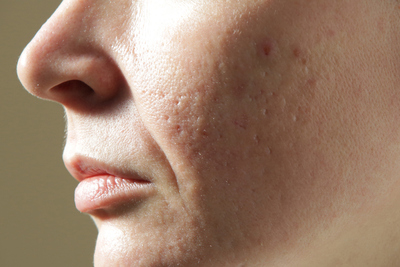 Acne scars can feel like a lasting reminder of past breakouts, affecting not only how your skin looks but how you feel. These scars form when blemishes damage deeper layers of the skin, interrupting its natural healing process. The good news is that today’s advanced acne scar treatments can dramatically reduce scarring and even improve active acne, restoring smoother, healthier-looking skin.
At Schweiger Dermatology Group, our dermatologists and dermatology providers specialize in acne scar treatment for all skin types. Whether you’re dealing with red or dark marks, pitted scars or uneven texture, our acne scar specialists use clinically proven techniques to help you regain confidence in your skin.
What Causes Acne Scars?
Acne scars develop when inflammation from severe or cystic acne damages the skin’s tissue and collagen network. As the body attempts to heal, it can produce too little collagen (causing depressions or “pits”) or too much (causing raised scars). The deeper the acne lesion and the longer it remains untreated, the higher the risk of scarring.
Several factors can make acne scars more likely:
- Genetics: Some people naturally heal with more visible scars.
- Picking or Squeezing Pimples: This disrupts healing and pushes bacteria deeper into the skin.
- Sun Exposure: UV rays darken scars and slow recovery.
- Untreated Acne: Ignoring inflammation early allows permanent damage to form.
Understanding what type of acne scars you have is the first step toward finding the right treatment since not all scars respond to the same therapies.
Types of Acne Scars
Acne scars come in many shapes and depths. Dermatologists and dermatology providers classify them into two main categories: depressed (atrophic) scars and raised (hypertrophic or keloid) scars.
Atrophic Scars (Indented Scars)
These scars occur when the skin loses tissue during healing.
- Ice Pick Scars: Small, deep, and narrow like tiny punctures in the skin. These are among the hardest to treat and often require laser treatments or resurfacing treatments.
- Boxcar Scars: Round or oval indentations with sharper edges. Shallow boxcar scars respond well to resurfacing procedures, while deeper ones may need more intensive collagen-stimulating options.
- Rolling Scars: Wide, shallow depressions that give the skin a wavy texture. Microneedling and collagen induction therapies are especially effective for this type.
Hypertrophic and Keloid Scars (Raised Scars)
Raised acne scars form when too much collagen builds up during healing.
- Hypertrophic Scars: Stay within the boundaries of the original acne lesion and are often firm or rubbery.
- Keloid Scars: Extend beyond the acne site, often thick, itchy and darker in color. These scars are more common on the chest, back, shoulders and jawline.
Each type of scar requires a tailored treatment plan designed to smooth, soften and even out the skin over time.
Are Acne Scars Permanent?
Not necessarily, but they rarely fade completely on their own. Reddish or brown discoloration left behind after a breakout (known as post-inflammatory hyperpigmentation) can fade with time and sun protection. However, true acne scars, especially deep or pitted ones, need professional intervention to see lasting improvement.
The earlier acne scars are treated, the better the results. At Schweiger Dermatology Group, we combine medical dermatology and cosmetic dermatology to restore smoother, clearer skin while preventing future breakouts that could cause new scars.
Dermatological Treatments for Acne Scars
Our dermatologists and dermatology providers use advanced technologies and medical-grade treatments to improve texture, tone, and overall skin health. We create personalized acne scar treatment plans based on scar type, severity and your skin’s unique healing patterns.
Laser Treatment for Acne Scars
Laser treatment remains one of the most effective options for acne scar removal and resurfacing. It works by stimulating collagen remodeling deep in the skin while gently removing damaged outer layers.
Common acne scar laser types include:
- Fractional CO2 Laser: Targets deep acne scars and stimulates new collagen for smoother texture.
- KTP and Nd:YAG Lasers:</b Reduce redness and pigmentation left behind by acne.
- F.A.S.T. Treatment: A specialized technique developed at Schweiger Dermatology Group for precise, deep correction of severe scarring.
Laser treatments for acne scars can be customized for every skin type and concern, from minimal downtime options to intensive resurfacing procedures that deliver transformative results.
PRP (Platelet-Rich Plasma) Therapy
PRP uses your body’s own healing power to restore damaged skin. During the procedure, a small blood sample is processed to extract platelets rich in growth factors. The resulting serum, known as Platelet-Rich Fibrin Matrix (PRFM), is injected into scarred areas to promote collagen regeneration and tissue repair.
At Schweiger Dermatology Group, we use the SELPHYL® system, which produces the purest PRFM for consistent, natural healing. This treatment is ideal for improving pitted acne scars while enhancing skin tone and elasticity.
Chemical Peels for Acne Scars
Chemical peels exfoliate damaged outer layers of skin using a safe acidic solution. This triggers cell turnover and collagen production, revealing smoother, more even skin.
- Light to medium-depth peels can fade hyperpigmentation and shallow scars.
- Deeper peels target texture irregularities and stimulate collagen remodeling
Our dermatology providers select the right formula for your skin type and combine peels with other treatments for enhanced results.
Microneedling and Radiofrequency Microneedling
Microneedling creates controlled micro-injuries to trigger collagen synthesis and smooth uneven skin. When combined with radiofrequency (RF), this technique tightens and resurfaces the skin simultaneously.
This treatment is safe for nearly all skin tones and is especially effective for rolling and boxcar scars. Microneedling can also be paired with PRP or laser therapy for greater improvement.
Microdermabrasion and Skin Resurfacing
Microdermabrasion gently polishes away dull, scarred skin while stimulating new collagen growth. It’s best for mild surface irregularities or post-acne discoloration. For deeper scarring, your provider may recommend combining it with fractional laser or microneedling for a smoother finish.
How to Get Rid of Acne Scars: Choosing the Right Treatment
The best acne scar treatment depends on the type and severity of your scars, your skin tone, and your goals. During your consultation, your Schweiger Dermatology Group provider will evaluate your scars under bright lighting and may use imaging to assess texture depth.
Your personalized acne scar treatment plan may include:
- Combination therapy (e.g., laser + PRP or microneedling + chemical peel)
- Gradual, staged treatments for deeper scars
- At-home skincare guidance, including retinoids or brightening agents to support long-term results
Most patients notice visible improvement after just a few sessions, with full results developing over several months as new collagen forms.
How to Prevent Acne Scars
While treatments can significantly improve scars, prevention is always the best strategy.
To minimize acne scarring:
- Treat acne early – see a dermatologist or dermatology provider before breakouts worsen.
- Never pick or squeeze pimples.
- Use non-comedogenic skincare and sunscreen daily.
- Stay hydrated and eat a balanced diet rich in antioxidants.
- Avoid excessive sun exposure or tanning beds, which darken scars.
Dermatologists and dermatology providers can also prescribe acne management plans to reduce active breakouts, helping you maintain smooth, healthy skin over time.
Acne Scar Treatment at Schweiger Dermatology Group
At Schweiger Dermatology Group, we offer comprehensive acne scar removal and treatment across our many locations. Our dermatologists and dermatology providers specialize in advanced procedures, including laser resurfacing, microneedling, PRP, and chemical peels, designed to restore your skin’s natural smoothness and tone.
Every acne scar treatment plan begins with a thorough skin evaluation to identify scar type, depth and underlying causes. From there, we design a customized strategy focused on both repair and prevention.
If you’ve been searching for “acne scar treatment near me,” our dermatology specialists are ready to help you achieve visible, lasting results.
To schedule an appointment, book online or call 844-DERM-DOC today.
Frequently Asked Questions About Acne Scars
-
Should I see a dermatologist or plastic surgeon for acne scars?
Dermatologists and dermatology providers are typically the best first stop for acne scar treatment. They offer medical and cosmetic procedures to improve skin texture and tone, while plastic surgeons may handle surgical scar revisions for more severe cases. Most acne scars respond well to non-surgical treatments provided by dermatologists and dermatology providers.
-
Does retinol help with acne scars?
Yes. Retinol and other retinoids accelerate skin cell turnover and boost collagen production, helping to fade dark marks and smooth mild scars. They’re often recommended alongside in-office procedures for optimal results, though they can cause temporary dryness or flaking.
-
Is vitamin C good for acne scars?
Vitamin C helps brighten skin and fade post-inflammatory hyperpigmentation (dark spots left after acne). It’s a powerful antioxidant that supports skin healing and tone improvement. While topical vitamin C won’t erase deeper scars, it’s an excellent complement to in-office treatments.
-
Can microneedling get rid of acne scars permanently?
Microneedling stimulates collagen growth and can significantly reduce the appearance of acne scars over time. Results build gradually with consistent sessions. Deep scars may not disappear entirely, but combining microneedling with PRP or laser treatments yields more permanent improvement.
-
Does tretinoin help with acne scars?
Yes. Tretinoin, a prescription-strength retinoid, is clinically proven to smooth atrophic (indented) scars and improve overall tone. It’s stronger than over-the-counter retinol and best used under a dermatologist’s or dermatology provider’s supervision.
-
Are acne scars permanent?
Some scars may fade, but most require treatment for significant improvement. A dermatologist or dermatology provider can evaluate your skin and recommend a targeted plan to reduce visible scarring and restore even texture.
-
Does insurance cover acne scar removal?
Because acne scars are considered cosmetic, most insurance plans don’t cover removal procedures. However, active acne treatments or medically necessary care for infections or cysts may be eligible for coverage. Always check with your provider for details.
-
What is the best treatment for acne scars?
There’s no single “best” treatment; it depends on scar type, depth, and skin tone. Laser resurfacing, PRP, microneedling, and chemical peels are among the most effective options. Your Schweiger Dermatology Group dermatologist or dermatology provider will recommend the best combination for your specific needs.