Shop
Shop Pay Bill
Why Does My Acne Itch?
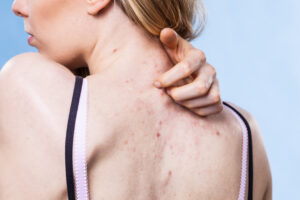 Acne is commonly associated with clogged pores, breakouts, redness and inflammation. Itching is not usually part of the conversation. So when acne starts to itch, it can be uncomfortable and confusing. Many people ask questions like, is acne supposed to itch, can acne itch while healing, or what does it mean if my acne itches all the time?
The truth is that acne can itch, but itching is not considered a classic acne symptom. When itchiness appears, it often points to irritation, inflammation or a separate skin condition that looks like acne. Understanding the difference is important, since treating itchy acne incorrectly can make breakouts worse rather than better.
Can Acne Itch?
Yes, acne can itch, but it is not typical. Most acne lesions feel tender, sore or painful, especially when they are inflamed. Itching usually suggests that something beyond clogged pores is affecting the skin.
Mild itching may happen occasionally, especially if the skin is dry or irritated. However, frequent or intense itching is not something to ignore. If you are repeatedly asking yourself, does acne itch or is acne supposed to itch, the answer is that it can, but it often signals an underlying issue.
Why Does My Acne Itch?
There are several reasons acne that itches can develop. Some causes are temporary and related to skincare habits, while others require medical evaluation.
Inflammation and Skin Sensitivity
Inflamed acne can trigger itching by irritating nearby nerve endings. This is more common with cystic acne, nodules or hormonal breakouts that develop deeper in the skin. As inflammation increases, the surrounding skin can become hypersensitive, leading to itching or burning sensations.
Inflammation driven itching is often accompanied by redness, swelling and tenderness.
Dry Skin and a Weakened Skin Barrier
Many acne treatments are designed to reduce oil and exfoliate dead skin cells. While effective, these treatments can sometimes go too far. Ingredients like benzoyl peroxide, retinoids and salicylic acid can weaken the skin barrier when overused.
When the skin barrier is compromised, moisture escapes more easily. This leads to dryness, flaking, tightness and itching. In this case, the acne itself may not be itching. Instead, the surrounding skin is reacting to dehydration and irritation.
Reaction to Skincare or Makeup Products
If your acne suddenly starts itching after introducing a new product, the cause may be contact dermatitis. This occurs when the skin reacts to an ingredient such as fragrance, preservatives, essential oils or certain active compounds.
Contact dermatitis can look like acne, especially when it causes small red bumps or pustules. However, itching is usually more prominent than pain. Continuing to use the triggering product can worsen both itching and breakouts.
Acne Itching During Healing
Some people notice that acne itches as it heals. As inflammation decreases and the skin begins repairing itself, nerve endings may become more sensitive. This can create mild itching, especially around scabs or areas of peeling skin.
Healing related itching is usually subtle and short lived. It should not be intense or persistent. Strong itching during the healing phase may indicate irritation rather than recovery.
Overwashing and Over Exfoliating
Trying to aggressively treat acne can backfire. Washing too frequently, scrubbing the skin or layering multiple exfoliating products can damage the skin barrier.
This damage often leads to redness, itching and worsening acne. Instead of clearing pores, the skin becomes inflamed and more prone to breakouts.
Does Acne Itch When It Is Healing?
Sometimes, but only mildly. Acne itching during healing can occur as lesions flatten and redness fades. However, itching should not be severe or constant.
If itching increases as acne improves, it may indicate that the skin is irritated by treatment products or environmental factors. Scratching healing acne can also disrupt the repair process and increase the risk of scarring or post inflammatory pigmentation.
Acne That Itches: Could It Be Something Else?
ot every itchy breakout is acne. Several skin conditions are commonly mistaken for acne and tend to itch more.
Fungal Acne
Fungal acne, also known as Malassezia folliculitis, is caused by yeast overgrowth in hair follicles. It often appears as small, uniform bumps on the forehead, chest, shoulders or back.
Unlike traditional acne, fungal acne frequently itches and does not respond to standard acne treatments. In fact, many acne products can worsen fungal breakouts.
Eczema and Dermatitis
Eczema and contact dermatitis can cause red, itchy patches with small bumps that resemble acne. These conditions are driven by inflammation rather than clogged pores.
Using acne treatments on eczema can significantly worsen itching and irritation.
Allergic Reactions
Allergic reactions to skincare, hair products or laundry detergents can cause itchy bumps that resemble acne. These reactions often appear suddenly and may affect multiple areas of the body.
What Does It Mean If Your Acne Itches All the Time?
If your acne itches consistently, it is a sign that something else may be contributing to your breakouts. Chronic itching often points to irritation, an incorrect diagnosis or an underlying skin condition.
Ignoring itchy acne or continuing to scratch can worsen inflammation, delay healing and increase the risk of scarring. Itchy acne should be evaluated rather than treated with trial and error.
When Should You See a Dermatologist?
You should consider seeing a dermatologist if your acne itches frequently or intensely, if itching does not improve after adjusting skincare products, if breakouts spread or change quickly, or if acne treatments seem to make itching worse.
Dermatologists and dermatology providers are trained to distinguish between acne, fungal folliculitis, dermatitis and other conditions that cause itchy breakouts. Proper diagnosis ensures that treatment targets the root cause rather than aggravating symptoms.
How Dermatologists Treat Itchy Acne
Treatment depends on what is causing the itching. Your dermatologist may recommend adjusting your acne routine to reduce irritation, adding barrier repair products to support skin health, prescribing topical or oral acne medications to reduce inflammation, or treating fungal or allergic conditions if present.
In some cases, simplifying your skincare routine can significantly reduce itching and improve acne outcomes.
Acne Care at Schweiger Dermatology Group
If your acne itches, burns or feels uncomfortable, it may be time for professional care. Dermatologists and dermatology providers can evaluate your skin, identify the cause of itchy breakouts and create a treatment plan that supports clearer, healthier skin.
Call 844-DERM-DOC or book online today to connect with a dermatology provider near you.