Shop
Shop Pay Bill
What’s the Best Age to Start Botox?
 Reviewed by Jason H. Miller, MD.
When it comes to reducing fine lines and wrinkles, few treatments are as well-known as Botox®. But one of the most common questions people ask dermatologists is: “What age should you start Botox?”
The truth is, there’s no one-size-fits-all answer. Some people begin in their mid-to-late 20s as a preventative measure, while others don’t start until their 40s or later. Your decision depends on your skin type, family history, lifestyle, and cosmetic goals.
If you’re wondering whether you’re at the “right age,” this guide breaks down what dermatology providers recommend, when most people begin Botox, and what you should know before scheduling treatment.
What Age Should You Start Botox?
Most dermatologists agree that there’s no “perfect” number, but many patients start between their late 20s and early 30s. This is when fine lines from repeated facial expressions, like frowning, squinting, or smiling, can start to become more noticeable.
- 20s: Some people choose preventative Botox in their late 20s if they see early signs of crow’s feet or forehead lines.
- 30s: Many begin in their early 30s, when fine lines may start setting in and are visible even at rest.
- 40s and beyond: Starting later is still highly effective. Botox can soften deeper lines and refresh the overall appearance.
Ultimately, the right age to start Botox treatment depends less on your birthday and more on what your skin is showing you.
How Preventative Botox Works
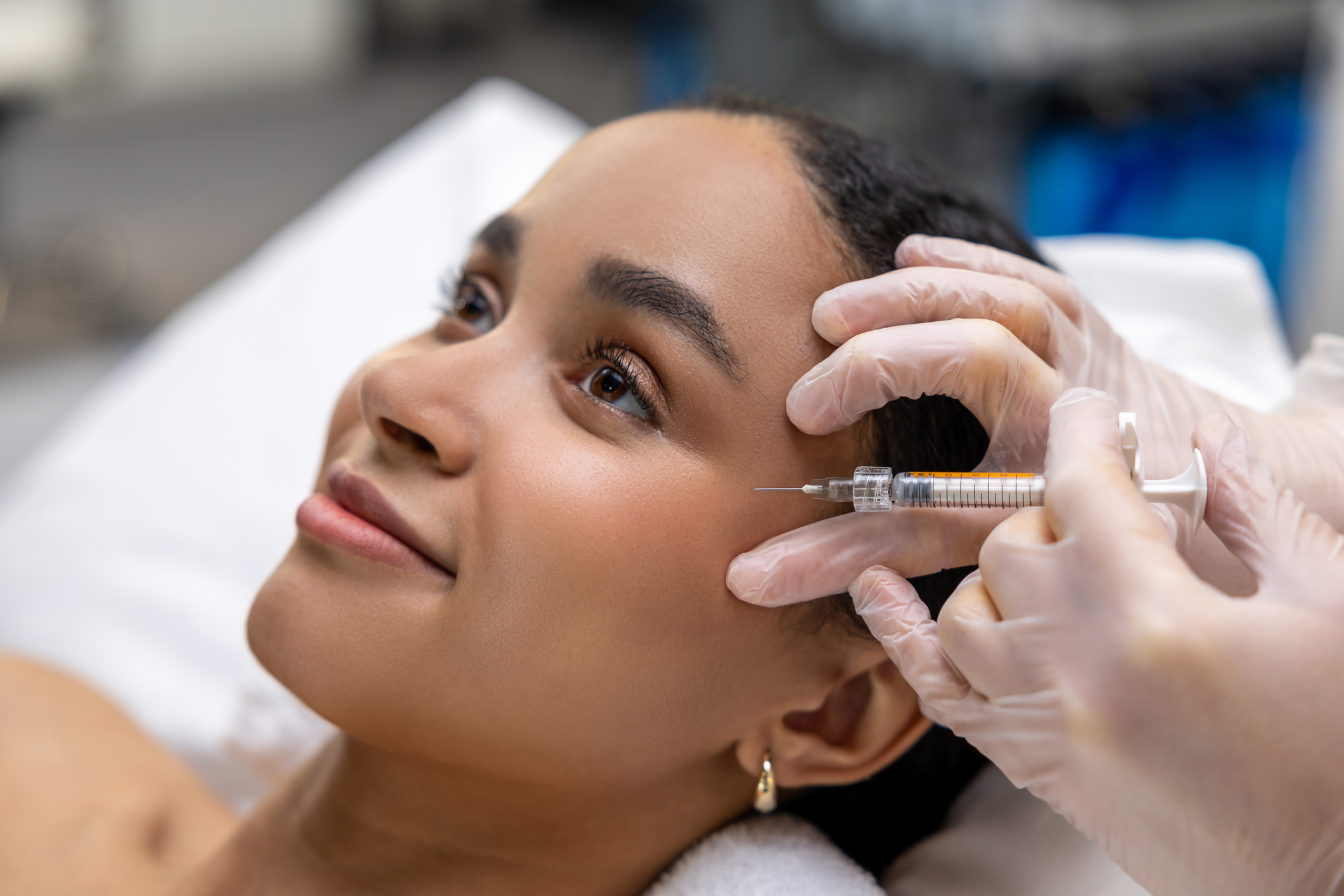
Botox works by temporarily relaxing the muscles that cause wrinkles. Preventative Botox means treating those muscles before lines become etched into the skin, making them less likely to deepen over time.
This doesn’t mean you should start Botox too early. If you don’t yet see lines at rest, a dermatologist may recommend waiting. The goal is to strike a balance: starting early enough to prevent deeper wrinkles, but not so early that it provides little benefit.
Signs It Might Be Time for Botox
Wondering how to tell if you’re ready? Look for these common signs:
- Fine lines that remain even when your face is relaxed
- Crow’s feet forming around the eyes
- Horizontal lines across the forehead
- Vertical “11” lines between the eyebrows
- Early sagging or changes in skin elasticity
If you notice these changes, Botox can be a good way to refresh your appearance and slow down further wrinkle formation.
What Happens If You Start Botox Too Early?
Some patients worry about beginning Botox before it’s “needed.” While Botox is safe when performed by a licensed dermatologist, starting too early may not provide visible benefits and could lead to unnecessary treatments.
A dermatology provider can evaluate your skin and recommend whether now (or a few years from now) makes sense. The best approach is always tailored to your individual needs, not the latest social media trend.
Botox by Age: What to Expect
Botox isn’t a one-size-fits-all treatment; your experience will look different depending on your age, skin type, and goals. Here’s a quick breakdown of what patients in their 20s, 30s, and 40s+ can typically expect when starting Botox.
| Age Range | Why People Start Botox | Treatment Approach | What to Expect |
|---|---|---|---|
| 20s | Preventative care for early fine lines, especially facial expressions | Often done with lighter doses (“Baby Botox”) | Subtle results that help prevent lines from becoming etched in over time |
| 30s | Lines begin to appear at rest (forehead, crow’s feet) | Standard Botox dosing; tailored to facial movement | Smooths visible lines and helps slow further wrinkle formation |
| 40s+ | Deeper lines and wrinkles become more noticeable | May be combined with dermal fillers, lasers, or other treatments | Softens deeper lines, refreshes appearance, and maintains a natural look |
Botox and Lifestyle Factors
Your lifestyle can play just as big a role as your age in determining when to start Botox. Factors that can accelerate wrinkles include:
- Frequent sun exposure without SPF
- Smoking
- Genetics (family history of early wrinkles)
- High stress levels
- Dehydration and poor sleep habits
Even if you’re younger, these factors may push you to consider Botox earlier. On the flip side, people with healthy habits and slower-aging skin may not feel the need until later.
Frequently Asked Questions About Botox
Why See a Dermatology Provider for Botox?
While Botox is offered in many medspas, treatment should always be performed by a licensed medical professional. Dermatologists and dermatology providers are trained to:
- Customize treatment plans based on your facial anatomy
- Ensure safe, natural-looking results
- Reduce risks of complications like unevenness or drooping
- Integrate Botox with other skin treatments for long-term care
Get Started with Botox at Schweiger Dermatology Group
So, what’s the best age to start Botox? The answer depends on your unique skin, family history, and goals. For some, preventative Botox in their late 20s makes sense. For others, starting in their 30s or 40s is ideal. What matters most is timing treatment to when it will benefit you the most, not a number on the calendar.
Schedule an appointment with Schweiger Dermatology Group. Call 844-DERM-DOC or book online to connect with a dermatology provider today.