Shop
Shop Pay Bill
Fall Allergies: Causes, Symptoms, and How to Find Relief
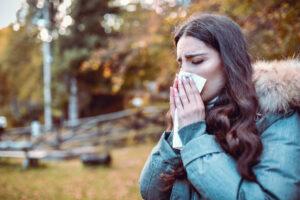
Quick Answer
Fall allergies are most commonly caused by ragweed pollen and mold, which increase in late summer and autumn as leaves decay and wet outdoor rubbish accumulates. This can lead to sneezing, congestion, a runny nose, and itchy or watery eyes, even for people who haven’t had spring allergy symptoms. The timing and severity of symptoms depend on location and weather, so there’s no universal start to the season.
Many people think allergies only occur in spring, but fall has its own set of triggers. Recognizing these triggers and their symptoms can help you tell fall allergies apart from colds or winter allergies. Treatment usually involves limiting exposure, for example, by staying indoors when pollen counts are high, and using medications such as antihistamines. If over-the-counter options don’t help, allergy specialists can identify your specific triggers and suggest further treatment. Understanding the causes and differences can make fall allergy season much more manageable.
Is It Possible to Get Allergies in the Fall?
Yes. Allergies can develop or flare up in the fall, even in people who don’t notice symptoms during other parts of the year. That’s because fall allergy season is driven by different allergens than spring allergy season. Someone who has no reaction to spring tree pollen may still react strongly to ragweed, other late-season weeds, or outdoor mold once fall arrives.
The underlying mechanism is the same regardless of season. When someone with an allergy inhales pollen or mold spores, their immune system misidentifies them as harmful, the body releases histamine and other chemicals that produce the sneezing, congestion, and itching associated with seasonal allergies. What changes from season to season is which allergens are actually circulating in the air.
It’s also possible to develop new allergies as an adult, so a first fall allergy season with no prior history isn’t unusual. If that sounds like what’s happening to you, our guide to adult-onset allergies explains why the immune system can start reacting to something later in life.
What Causes Fall Allergies?
Fall allergies are most often driven by ragweed pollen, other late-season weeds, and mold that grows in damp, decaying outdoor debris, as well as indoor allergens that become more noticeable as people spend more time indoors. These triggers are part of a broader group covered in our overview of the 10 most common environmental allergens.
Common fall allergy causes and triggers include:
- Ragweed pollen: the leading cause of fall allergy symptoms for many patients. A single ragweed plant can release a large amount of pollen that travels easily on the wind, so nearby ragweed plants aren’t required for exposure.
- Other weed pollens: sagebrush, pigweed, and lamb’s quarters can also contribute to fall symptoms, particularly in certain regions.
- Outdoor mold: damp piles of fallen leaves, decaying plant matter, and wet autumn weather create conditions that allow mold allergy spores to spread more easily.
- Indoor allergens: as windows close and people spend more time indoors, dust mites, pet dander, and indoor mold can play a bigger role in ongoing symptoms.
Not every environmental change in the fall is a confirmed allergy trigger for every patient. The specific combination of allergens that affects you depends on your individual sensitivities.
Ragweed Exposure
Ragweed deserves particular attention because it’s one of the most significant fall allergens in much of the country. Ragweed pollen typically appears in mid-to-late August and often peaks around mid-September before tapering off after the first hard frost. Some people with a ragweed allergy also notice itching or tingling in the mouth after eating certain raw fruits, a related condition called oral allergy syndrome.
Common Fall Allergy Symptoms
Fall allergy symptoms are similar to those of other seasonal allergies, as they result from the same histamine response, triggered by different allergens.
Common fall allergy symptoms include:
- Sneezing
- Runny or congested nose
- Postnasal drip
- Itchy nose or throat
- Watery, itchy, or red eyes
- Coughing
- Throat irritation
- Fatigue, especially when symptoms disrupt sleep
These symptoms can range from a mild nuisance to something that meaningfully affects sleep, concentration, and daily activities, particularly when postnasal drip or congestion builds up over several weeks of exposure. If facial pressure or recurring congestion is your main complaint, it’s also worth understanding the difference between allergies and a sinus infection, since the two can feel similar but call for different treatment.
Fall Allergies vs. a Cold: How to Tell the Difference
Fall allergy symptoms can overlap significantly with those of a common cold, making the two easy to confuse, especially early on.
A few patterns can help point you in the right direction, though they aren’t a substitute for a professional evaluation:
- Itchy or watery eyes are common with allergies and less typical of a cold.
- Repeated, sudden sneezing spells tend to be more characteristic of allergies than the occasional sneeze from a cold.
- Duration matters: a cold usually resolves within a week to 10 days, while allergy symptoms can persist for as long as you’re exposed to the trigger, sometimes weeks.
- Fever, body aches, and severe fatigue point more toward a cold or another illness than allergies, which typically don’t cause fever.
- Symptom timing tied to being outdoors or around specific environments suggests allergies, while a cold tends to run its course regardless of location.
If your symptoms are severe, unusual, or don’t fit clearly into either pattern, it’s worth having a healthcare provider take a look rather than guessing. As the weather cools further, it’s also worth knowing how to tell a cold from winter allergies, since the overlap continues into the following season.
Fall vs. Winter Allergies
Fall and winter allergy symptoms can look nearly identical, but the underlying triggers often shift as the seasons change.
| Fall Allergies | Winter Allergies | |
| Primary triggers | Ragweed and other weed pollens; mold from decaying leaves and damp autumn conditions | Indoor allergens such as dust mites, pet dander, and indoor mold |
| Where exposure happens | Mostly outdoors, tied to pollen and mold counts | Mostly indoors, as windows close and heating systems run |
| Common symptoms | Sneezing, congestion, itchy, watery eyes, and fatigue | Largely the same symptoms as fall, which is part of why the two are easy to confuse |
| What may help | Limiting outdoor exposure during high pollen or mold days | Reducing indoor allergen exposure |
Because the symptoms themselves, sneezing, congestion, itchy eyes, can look the same regardless of which allergen is responsible, symptoms alone often aren’t enough to pinpoint the exact cause. If your symptoms shift or persist as the weather changes, tracking when and where they’re worse, or talking with an allergist about testing for indoor and outdoor allergens, can help clarify what’s actually driving your reactions.
How to Manage Fall Allergy Symptoms
Reducing exposure to your triggers is often the first step in managing fall allergy symptoms, alongside any treatment your provider recommends.
Strategies that may help include:
- Checking daily pollen and mold counts and limiting outdoor activity when levels are high
- Keeping windows and doors closed during peak pollen hours, typically morning and evening
- Showering and changing clothes after spending time outdoors or doing yard work
- Wearing a mask while raking leaves or doing other yard work that stirs up mold and pollen
- Avoiding hanging laundry outside, since pollen and mold spores can cling to fabric
- Using a HEPA air purifier indoors to help reduce airborne allergens
- Cleaning regularly to reduce dust and indoor allergen buildup
- Using a dehumidifier in damp areas of the home to limit indoor mold growth
Not every strategy applies to every patient. Someone whose symptoms are driven mainly by outdoor ragweed will benefit most from limiting outdoor exposure during peak pollen hours, while someone with a stronger mold sensitivity may see more benefit from addressing indoor humidity and damp areas.
Fall Allergy Treatment Options
Several treatment approaches may help manage fall allergy symptoms, and the right combination often depends on your specific triggers, symptom severity, and how well you respond to different options.
Antihistamines
May help reduce sneezing, itching, and runny nose.
Nasal corticosteroid sprays
May help reduce inflammation and congestion.
Saline nasal rinses
They can help clear allergens and mucus from the nasal passages.
Allergen immunotherapy
Allergen Immunotherapy can be delivered as allergy shots or allergy drops, and works by gradually reducing sensitivity to specific allergens over time rather than only managing symptoms after they occur.
Allergy testing can confirm which specific allergens are triggering your symptoms, helping guide a more targeted treatment plan rather than relying on trial and error.
No single treatment works the same way for everyone, and what helps one patient may not be the right fit for another. A provider can help you weigh which options make sense based on your triggers and how your symptoms are affecting you.
When to See an Allergist
Many people manage mild fall allergy symptoms with over-the-counter medications and reduced exposure on their own. Generally, it’s worth scheduling an evaluation with an allergy specialist if:
- Symptoms persist despite consistent use of over-the-counter medication, especially if they fit the pattern of allergy symptoms that don’t improve
- Symptoms interfere with sleep, work, school, or daily activities
- You’re not sure exactly what’s triggering your symptoms
- You find yourself relying on allergy medication frequently throughout the season
- Symptoms are severe, worsening, or accompanied by wheezing or shortness of breath
- You’re interested in exploring allergy testing or immunotherapy
Children can also develop fall allergies, and our pediatric allergy team evaluates and treats seasonal allergy symptoms in both kids and adults.
If breathing symptoms like wheezing or shortness of breath accompany your allergy symptoms, that’s worth discussing with a provider promptly, since allergies can sometimes contribute to or worsen asthma symptoms.
Find Relief From Fall Allergies at Schweiger Dermatology & Allergy
At Schweiger Dermatology & Allergy, our allergists and allergy specialists help patients identify their fall allergy triggers and build a treatment plan around them, whether that means allergy testing, immunotherapy, or ongoing symptom management. Explore our full range of allergy and asthma services, or find a Schweiger location offering allergy care.
Schedule an appointment today, or call 844-DERM-DOC to get help managing your fall allergy symptoms.
FAQs
What causes fall allergies?
Fall allergies are most often caused by ragweed pollen, other late-season weeds, and mold that grows in damp, decaying leaves and outdoor debris. Indoor allergens like dust mites and pet dander can also contribute as people spend more time indoors.
When do fall allergies start?
Fall allergy season typically begins in mid-to-late August as ragweed pollen appears, often peaking around mid-September and lasting until the first hard frost. Exact timing varies by region, weather, and the specific allergens involved.
Can you get fall allergies even if you’ve never had allergies before?
Yes. It’s possible to develop new allergies at any age, including a first reaction to ragweed or other fall allergens as an adult, even without a history of spring allergy symptoms.
What are the symptoms of fall allergies?
Common symptoms include sneezing, a runny or congested nose, postnasal drip, itchy or watery eyes, coughing, throat irritation, and fatigue, particularly when symptoms disrupt sleep.
How can I tell if I have a cold or fall allergies?
Itchy or watery eyes, sudden sneezing spells, and symptoms tied to being outdoors point more toward allergies, while fever, body aches, and symptoms that resolve within a week to 10 days are more typical of a cold.
How can I tell if I have fall or winter allergies?
Fall allergies are usually linked to outdoor triggers like ragweed and mold, while winter allergies often involve indoor allergens like dust mites and pet dander as people spend more time inside. Since symptoms can look similar, allergy testing can help clarify the exact cause.
Are treatments different for fall allergies compared to other seasons?
Many of the same treatments, including antihistamines, nasal sprays, and immunotherapy, are used across seasons. What changes is which specific allergens are being managed and how exposure is being reduced.